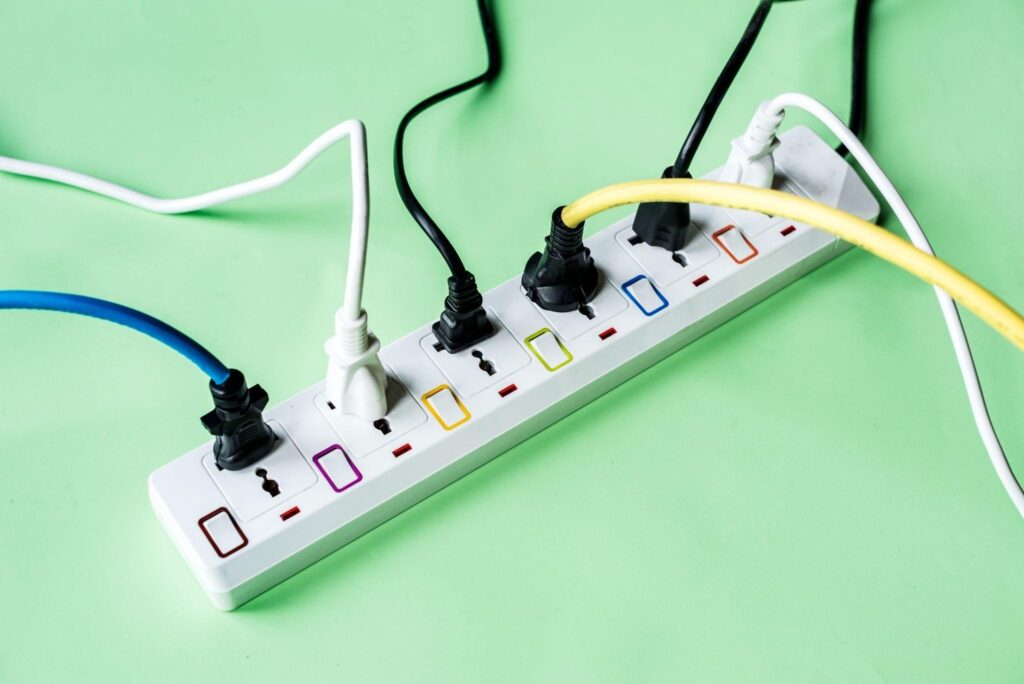
Every material used in the construction process has to deal with various wear and tear. One of them is an extension cord. Many of the times, it falls from heights, is dragged through rough surfaces and has to deal with rain and heat.
These aspects demand something more powerful, not those household ones. This is why contractors prefer relying on heavy-duty extension cords made for demanding construction sites. They are specially made to work right in such conditions.
This article shares why contractors prefer Americord thickest extension cords for maximum durability.
Key Takeaways
- Americord’s thickest extension cords are made especially to deliver consistent power even over long distances.
- Heavy duty wiring helps to lower overheating and other electrical issues that contractors usually face with other wires.
- Making effective investments in buying quality extension cords lowers the replacement costs over time.

When electrical energy is transmitted through a very long wire, it loses juice with distance.
If a wire is thin and extends all the way across a large workstation, the electric field may drop too low by the time it reaches the endpoint. In a workspace with industrial tools like electric saws and air compressors, these machines are likely to slow down, get hot, and break.
Using the thickest extension cord out there stops this from happening. Electrical product companies like Americord make cords with very thick copper wires inside. The thick metal path lets electricity zoom through easily with almost zero friction.
Without resistance to electrical energy flow, the power remains linear, so tools remain in good condition. Workers do not have to become concerned about their tools stalling when they are working far away from a wall plug when they use appliances from top manufacturers.
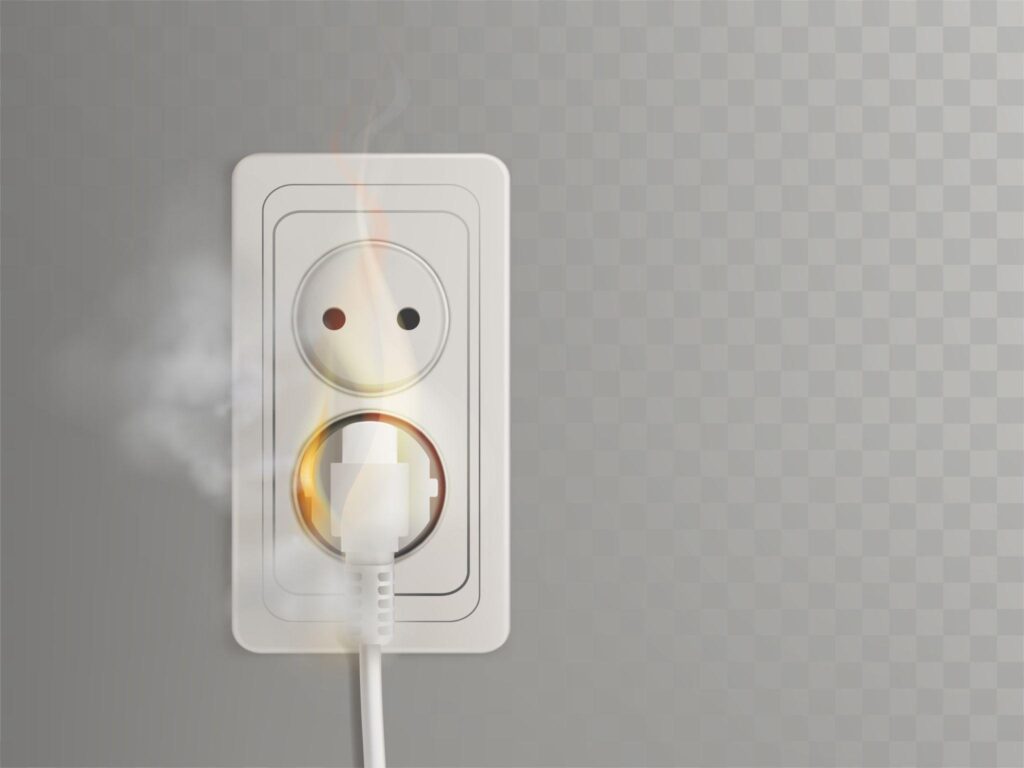
When immense current surges through thin wires, the wire turns very hot. If the heat continues to increase, the plastic skin of the cord can melt and start a fire. Heavy construction machines like asphalt mixers use a lot of electricity that would strain these cords.
Americord weaves each heavy-duty extension cord with extra-thick copper inside to solve this defect. These thick wires let heavy flashes of power slide through without heating up.
The cord still maintains its original temperature even after running machines like a high-energy saw for hours. This is exactly how thick extension cords reinforce safety on a busy site—they stop cords from melting and causing a fire disaster. When workers don’t have to panic about their tools or cords overheating, they typically prefer to focus more on their tasks.
Along with this, learn effective tips to lower your electricity bills.
In a high-foot-traffic site, walking on small and thin appliances, like cables, lying on the floor is inevitable.
Besides trampling on tools, people are always shifting heavy blocks, rolling wheelbarrows, and driving pickup trucks over power lines on a job site. Thin cords will usually flatten when a truck or safety boot crushes them, which snaps the metal inside and produces a shock hazard.
To avoid a serious shock hazard, you would need round cords with a thicker outer covering. These types are elastic; they return to their initial shape after pressing or twisting.
The fibrous outer skin on an Americord heavy-gauge power cord is built to allow heavy trampling or crushing. They use stiff rubber and strong plastics that absorb heavy impacts and pop right back into a round shape. When a contractor buys a cable from top manufacturers, they know it won’t fracture just because a truck rolls over it.
When you are working outdoors in construction, you will have to battle with mud, rain, snow, and scorching heat. Cheap plastic cords get stiff and broken in cold weather or turn brittle under the hot sun. Besides weather, constituents like motor oil, gas, and wet concrete will split thin plastic cords on contact.
When the weather and outdoor conditions seem harsh, you need cords with specific weather-proof outer coatings. These thick outer wrappings keep the cord in shape, whether in freezing winter weather or under the summer sun.
They block out water and oils totally, so the copper inside stays dry and safe. These cords can rest in the mud all day during a bad storm and still work perfectly.
Also, learn ways to evaluate internet services regardless of where you live.
Every professional plug has three metal prongs. Out of these three, one is the ground wire. This prong draws the extra electricity and transfers it safely into the earth, so you do not get a shock when you touch it. If a cord loses this signal, someone working in the location could get electrocuted.
A reliable Americord heavy-duty extension cord usually uses a super-thick ground wire that doesn’t come apart easily. These cords have clear plastic ends that come up when the ground wire is held up correctly. This bright light allows workers to see that the cord is safe to touch. Testing for this light is part of learning how to choose a contractor-grade extension cord that passes safety checks.
The power cords get tugged tight when workers keep moving throughout a room with their tools. If a plug fits barely into the wall, a small tug will pull it partially out. The loose connection causes ignited particles to jump across the metal, melt the plastic plug, and cut off the power.
High-quality manufacturers fit their cords with heavy, tight plugs that stay stuck inside the outlet. Many of their big lines use customized twist-lock plugs that snap into place so workers don’t mistakenly pull them out. Top gadget makers build these plugs to hold tight no matter how hard the cord gets pulled across the floor.
Buying cheap cords might save a few pennies at the store, but it costs more eventually. Cheap cords may wear out every few weeks, so you will have to keep shopping for new ones. Plus, when a cord breaks, workers have to terminate their jobs and wait, which takes a lot of time.
Paying for the best thick extension cord for job sites saves money over time. Since these cords use better copper and thicker outer covers, they last for years instead of weeks. Investing money once in a top-quality cord protects you from wasting money on recurring replacements next time.
Furthermore, learn how modern devices bring greater accuracy to everyday science.
At the end of the day, the thickest extension cords serve much more than just electricity. And this is not done exceptionally; they are actually built in such a way to deal with rough conditions and harsh weather. It ensures consistent electricity throughout the day, protects workers from any kind of shock, and stands out with its durable nature.
This way, by relying on durable extension cords for construction work, workers can worry less and work more efficiently.