Hiring professional actors is not needed anymore. You just need an audio sample, or even not that. AI has made it possible to get studio-quality videos made from scratch with dubbing and all.
AI-lipsync has reduced the animation production time by 80% (Source).
But choosing the right platform for your video production needs is still crucial. My last two weeks went into testing these tools. I tested them by producing different kinds of videos like product marketing videos, creator-style TikToks, multilingual explainers, and API-driven batch generation. As of March 2026, the top tools in this category are Magic Hour, HeyGen, Synthesia, Runway, and D-ID. They might seem just the same, but believe me, they’re quite different.
In this article, I’ll introduce you to AI lip-syncs, what tools are leading the charts on what parameters, and the status of the AI dubbing market.
| Tool | Best For | Modalities | Free Plan | API Access | Starting Price |
| Magic Hour | Creators + growth teams who want max flexibility | Text-to-video, audio lip sync, talking photos, face swap | Yes (generous) | Yes (full parity) | Free; Creator $15/mo ($10 annual) |
| HeyGen | Business avatars & multilingual content | Text-to-avatar video, voice cloning | Limited | Yes | ~$29/mo |
| Synthesia | Corporate training & compliance videos | AI avatars, text-to-speech | Limited | Yes (enterprise-focused) | ~$30/mo |
| Runway | Experimental & cinematic projects | Gen video, motion tools | Limited credits | Yes | ~$15/mo |
| D-ID | Simple talking head videos | Talking photos, TTS | Limited | Yes | ~$5.99/mo |
Want a complete AI video stack, including features like dubbing and all? Magic Hour is the strongest option right now.
You can try it instantly via their ai video generator without even signing up. That matters. Most competitors gate everything behind accounts.
What stood out in my testing:
It also includes one of the strongest AI video face swap tools I tested. The face retention and motion consistency are better than standalone swap apps.
After testing across creator workflows and startup marketing needs, Magic Hour felt the most flexible. It works for indie creators and growth teams alike.
If you want fast iterations and multi-format support in one place, this is the safest bet in 2026.
Updated pricing: https://magichour.ai/pricing
HeyGen is famous for AI avatar videos.
It’s strong in multilingual lip sync and voice cloning. If you’re creating business explainers in 10+ languages, this platform handles that cleanly.
HeyGen works well for structured business videos. It feels more corporate than creative. If you need avatar-based presentations at scale, it’s dependable.
Starts around $29/month (varies by plan)
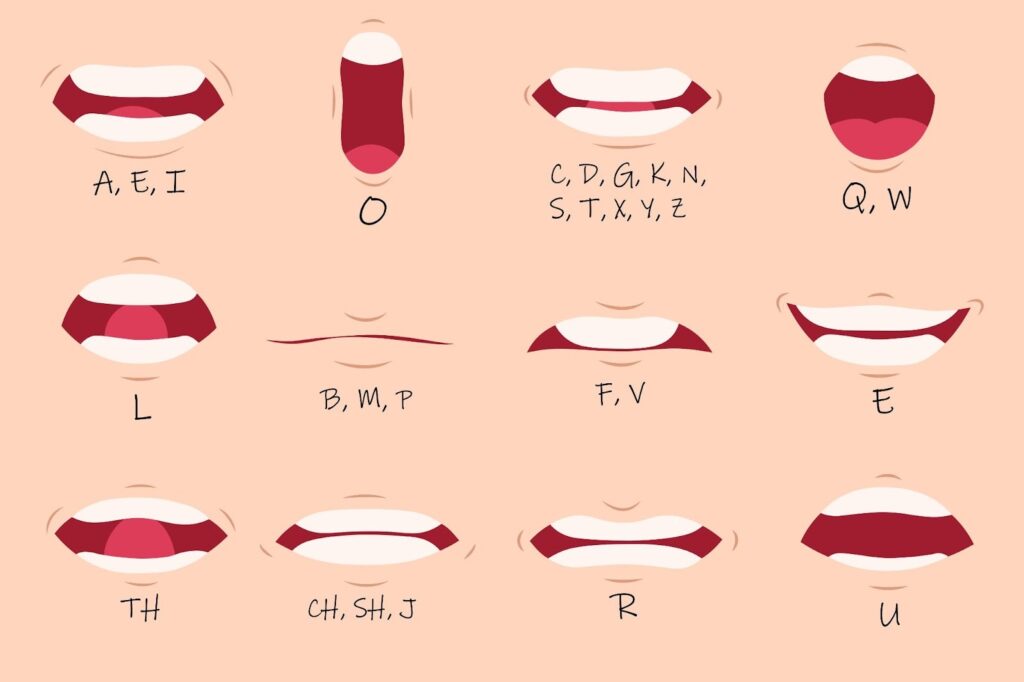
When you input an audio track as reference, the software works as per the following process to generate the final lip-synced video:
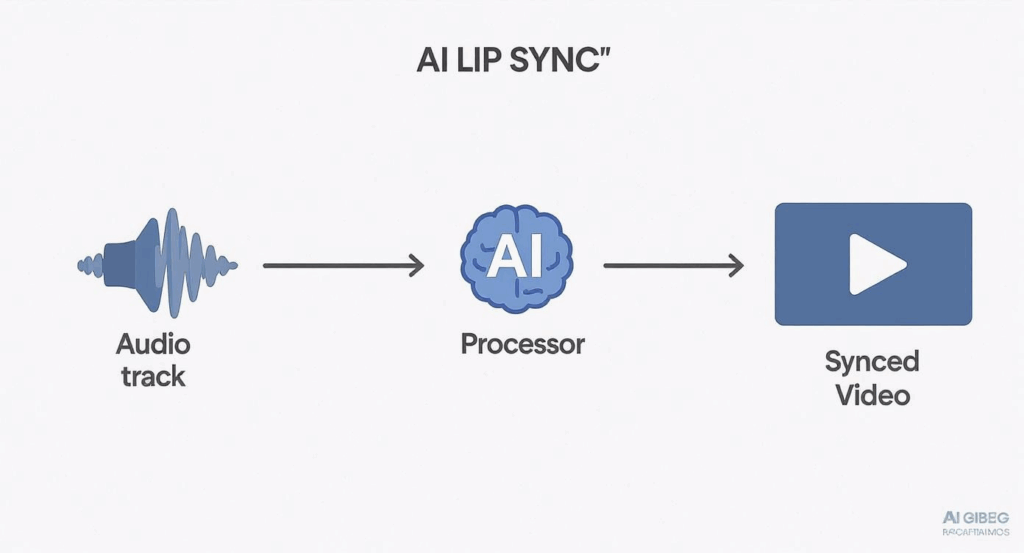
Synthesis is popular with enterprises. It is mostly used in training videos.
According to coverage from TechCrunch, the company has secured major funding and enterprise adoption. That scale shows in their infrastructure.
If you’re building internal training videos or HR onboarding systems, Synthesia is reliable. But for social growth or fast creator experimentation, it feels heavy.
Starts around $30/month; enterprise tiers higher.
Runway is a complete AI video lab with one of the most advanced features, like lip-sync, in the emerging area.
The dubbing capabilities are improving, but the real power is experimental generative video.
If you’re building stylized or cinematic AI videos, Runway is compelling. If you just need reliable talking-head animation, there are more direct options.
Starts around $15/month; usage-based tiers.
D-ID quickly turns your photos into talking videos.
Upload a portrait, add text or audio, and generate a speaking clip. It’s simple and accessible.
Good for lightweight marketing clips or experimentation. Not ideal for polished brand campaigns.
Starts around $5.99/month.
My ranking criteria evaluated:
I generated:
Magic Hour and HeyGen performed best in lip sync accuracy. The former stood out in overall workflow flexibility.
In 2026, the automated lip-sync space is being defined by the following trends:
Users no longer want five tools stitched together. Platforms that combine face swap, dubbing, talking photos, and generation in one place are winning.
Startups are embedding lip sync directly into apps. Full-feature APIs (like Magic Hour’s parity model) are becoming essential.
Aggressive free tiers and $10–$20/month plans are pulling users away from enterprise-only solutions.
AI video startups are seeing increased funding tied to content automation demand. That growth will likely intensify competition in 2026.
For a use case basis, here are some quick picks:
If you’re a creator, marketer, or startup builder, I recommend starting with Magic Hour’s free tier. Test multiple takes. Try face swap plus lip sync. Push the API if you’re technical.
I guarantee at least one of these tools will meet your needs.
Refresh this list quarterly — this category moves fast.
As of March 2026, Magic Hour offers the best balance of quality, pricing, flexibility, and API access.
Yes — top platforms now handle fast speech and multilingual audio with high accuracy. Quality varies significantly across tools.
Most platforms allow commercial use on paid plans. Always review the terms before publishing.
Yes. Magic Hour, HeyGen, Synthesia, Runway, and D-ID all provide API access, though depth varies.
Magic Hour offers one of the most usable free tiers. Others provide limited trial credits.