Foreign exchange trading is at its peak. According to the Bank for International Settlements, trading in global foreign exchange markets reached $9.6 trillion per day in April 2025, up 28% from $7.5 trillion three years earlier.
If you open a currency trade and notice a negative position, it’s probably due to the spread. The spread is the difference between the highest price a buyer will pay to purchase a currency and the lowest price a seller will accept to sell a currency. This creates a cost from the moment the trade is executed.
Traders usually ignore it, considering it’s really small. But the exact number really depends on the currency pair, market conditions, and the size of the position. Knowing what you’re being charged for executing the trade also helps you decide on the broker and whether it’s charging honestly.
The currency exchange section shows two prices. The bid is the price available when selling, while the ask is the price available when buying; the difference between them is the spread.
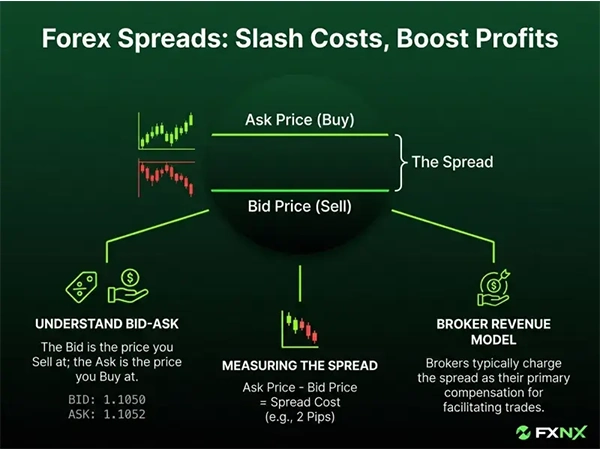
If you’re new to forex trading, this describes why a position can show a small unrealized loss immediately after it is opened. You bought at the higher ask price, but if you closed the position straight away, you would sell at the lower bid. The market therefore needs to move sufficiently in your favor to cover that initial difference before the position can show a gain.
On a simple, clean app, you might not get to understand the mechanism. The two prices on the screen determine the actual entry and exit points available at that moment. To make forex trades from anywhere, on any device, consider Forex RDP.
Suppose EUR/USD has a bid price of 1.1000 and an ask price of 1.1002. The difference is 2 pips. If you buy at 1.1002 while the bid remains at 1.1000, the position begins below its entry price because the immediately available selling price is lower.
The size of your position determines how much effect those 2 pips will have on your trade. What this means is that, on a relatively small trade, the amount may be modest. As position sizes increase, however, the same spread represents a higher monetary cost.
It’s also necessary to take frequency into account, since a cost that appears minor on an individual order can add up for someone who enters and exits the market regularly. This is why looking only at a platform’s headline pricing can give an incomplete picture of what trading may cost over time.
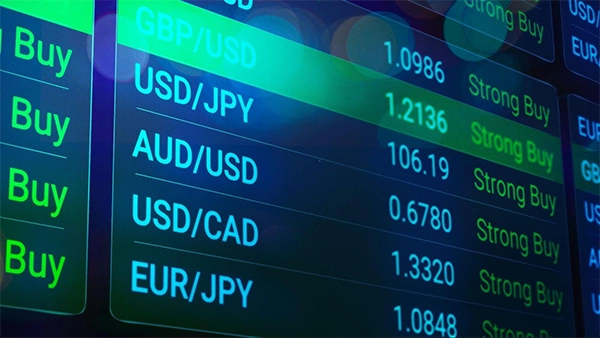
The spread numbers you see beside the currency pairs don’t stay constant throughout the day. Spreads often become narrower when trading activity is high, and there are plenty of buyers and sellers in the market. Major pairs such as EUR/USD will also commonly have tighter spreads than less frequently traded pairs because liquidity is higher in the former. Conditions can also change quickly around economic announcements or quieter trading periods. When prices are moving rapidly, spreads may widen as providers respond to increased volatility.
Take this into account when analyzing advertised rates. A minimum spread shows what may be available under certain conditions, but it does not necessarily represent what you will see every time you place an order. Rather, look at typical or average pricing.
When it comes to costs and fees, spread is just a part of the whole. Some brokers will charge a separate commission, while keeping a position open beyond the daily cutoff can introduce an overnight financing cost.
This is where printed fee schedules are useful. When evaluating a broker such as OANDA, investors can look beyond the advertised spread and consider how its published pricing structure applies to the type of orders they expect to place. This can help you estimate net execution costs.
It’s also wiser to keep leverage separate from these charges. Since it can increase the effect of market movements on an account, but it is not actually the same kind of transaction fee.

Fintech startups are reshaping the forex landscape. But two platforms offering similar minimum spreads may produce different overall costs once their wider pricing structures are considered. Everyday investors shouldn’t just look for the broker that displays the smallest number beside a currency pair, but one with transparent information that helps you understand the likely cost of an order.
A transparent platform would make it really clear how the spread works there. It would also clearly describe which additional charges may apply. Investors can then compare services using the way they actually expect to trade rather than relying on a single headline figure.
There’s also a valuable benefit when market conditions change. If you already understand that spreads can move and know where to find the relevant pricing information, a wider quote is less likely to come as a surprise.
For more security, a Forex VPS can help you host your forex software in a safe, cloud environment.
Spread costs might seem like small price differences. But they directly affect your order. Understanding spread costs makes it easier to read a currency quote and estimate the actual cost.
More importantly, it gives investors a better way to compare platforms. Instead of going for the lowest advertised spread, they can consider the pricing they are likely to encounter in practice and any additional charges that affect the final cost of a trade.
A forex spread is simply the difference between the buying (ask) and selling (bid) price of a currency pair.
It says a single trade risk shouldn’t breach 3% of your total trading capital. Never expose your combined portfolio to over 5%. And target just 7% returns.
For major currency pairs like EUR/USD during normal market hours, 1 pip or less is good enough.