Growth isn’t the same for everyone. For some, it may be a salary increment, and for others, it might just be a change of location.
Similarly, music creators have different indicators that display growth, which are evidently different from those of a gaming content influencer. But one thing remains constant: data-backed methods that boost their reach and help them crack the algorithm.
In this article, we’ll look at how social media algorithms handle audio content, including data-driven strategies that’ll help music creators and brands alike.
Algorithms on social media vary a lot depending on the type of content. Visual creations are promoted differently from audio content.
Machine learning and algorithms designed using artificial intelligence play a huge role in analyzing music. It categorizes the audio based on its genre, mood, beats, and general sounds used inside.
Additionally, auto-generated lyrics or closed captions are utilized to extract keywords, topics, and more to display them correctly for users searching for relevant or related subjects.
Furthermore, the use of trending audio also influences the algorithm to treat it differently from regular music, as it places the content inside the trending section.
Finally, every kind of created content goes through this metric, be it visual or audio. It is the performance indicators gathered from user behavior and watch time.
The longer a user remains on your creation, the stronger its overall performance, and the higher the chances of it reaching a wider audience.
Now you are aware of how your music is viewed and treated by a social media platform’s general algorithm.
It’s time to understand what important metrics you should keep a keen eye on, providing you with valuable insight that helps you make informed content decisions:
Every platform has unique ways of treating its content. Some differentiate between audios created by an independent artist and the commercial creations of a brand.
Moreover, platforms that prioritize music content like Spotify seem to work better for artists rather than forcing growth on a social media space like YouTube, which treats content generally across its collections.
This is why creators who specialize in music content tend to flock toward platforms that essentially provide more support to their creations with better-suited algorithms, user assistance, content analysis, focused insights, and more.
Fun Fact Music marketing experts often point out that highly viral songs share a unique trait: they state a petty, difficult, or taboo truth on behalf of the listener that no other song is playing.
The following are a few data-backed methods that help you garner more reach and attract more listeners to your profile and songs:
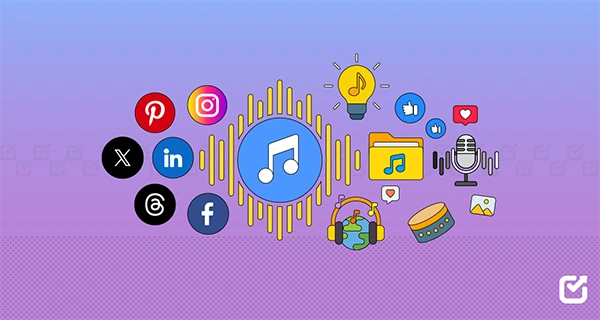
The algorithm does work differently for music-related content, but planning your content according to the data-driven strategies is always the ideal way to crack the audio algorithm and influence growth on different social media platforms.
One must also keep a close eye on important data metrics to actively review their content’s performance and keep on improving as time goes by.
The following are the metrics creators should watch out for:
The platforms that prioritize music content on their pages are best suited for posting audio content, such as Spotify, Amazon Music, YouTube Music, and more.
The following are the data-driven methods:
Yes, engagement rate is a decisive factor that displays how many users simply watch your content and leave or actively engage with your creations and share them with their friends.