“Success usually comes to those who are too busy to be looking for it.”
— Henry David Thoreau (Naturalist & Essayist)
Instagram growth often feels like the opposite. Creators post, refresh analytics obsessively, and hope the algorithm notices them. Yet visibility on Instagram is no longer a matter of luck or posting at the “right time.” The system is constantly churning, analyzing user behavior in real time to decide who should get attention.
That is why some posts disappear within minutes while others continue showing up for days or even weeks. The difference is not always content quality. Often, it comes down to one thing: early performance signals. And increasingly, automation is changing how creators approach that challenge.
In this article, I’ll explain to you how automation and early engagement signals can help creators improve visibility and work smarter with Instagram’s algorithm.
KEY TAKEAWAYS
- Instagram prioritizes early engagement signals when deciding whether to expand reach.
- The first minutes after publishing often determine long-term content visibility.
- Automation supports timing and consistency rather than replacing creativity.
- Stable engagement patterns can strengthen long-term algorithmic trust.

For creators looking to maintain consistent engagement metrics, utilizing automated growth tools such as Blastup automatic Instagram views can provide a reliable foundation for visibility. To understand where automation fits in, you first need to understand how Instagram actually decides what gets seen.
Instagram’s algorithm evaluates content through a layered visibility system:
This creates a simple reality:
Early momentum determines long-term reach.
If engagement starts weak, distribution slows down quickly. If engagement starts strong, Instagram expands visibility aggressively.
That first performance window is where most creators either gain traction or lose opportunity.
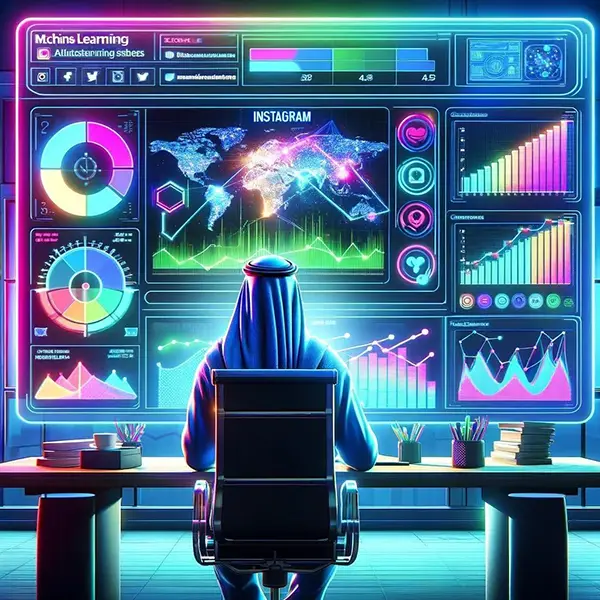
Instagram is not simply tracking content quality anymore; it is tracking behavior.
The algorithm prioritizes posts that demonstrate:
This is because Instagram is trying to predict what users will enjoy before they even know it themselves.
So instead of asking:
“Is this content good?”
It asks:
“Are people responding to this quickly enough for wider distribution?”
That shift is critical.
Because it means even strong content can underperform if early signals are weak, while average content can scale if early traction is strong enough.
This is where automation enters the equation.
Automation is often misunderstood as a replacement for creativity.
On Insta, it’s about reinforcing visibility timing.
Modern creators use automation systems to ensure that their content receives consistent early engagement signals instead of waiting for unpredictable organic reactions.
This matters because Instagram’s ranking system is highly time-sensitive. The first phase of distribution often decides whether a post enters broader circulation or gets limited exposure.
Using structured systems to stabilize early visibility signals reduces randomness in performance outcomes.
Automation supports consistency during the algorithm’s most sensitive evaluation phase.
SURPRISING INSIGHT
For most users, automation is seen to increase engagement by 15-30% within the first month.
Many creators strengthen early traction through structured engagement acceleration systems rather than relying solely on unpredictable audience spikes.
Automatic view systems help maintain steady visibility signals during the crucial early distribution window.
This matters because Instagram not only rewards spikes — it rewards stability combined with engagement behavior.
When a post receives consistent viewing activity early, the algorithm interprets it as:
Over time, this improves how the system treats future posts as well.
That creates a compounding effect where consistent early visibility strengthens overall account performance.

Many creators think growth comes from isolated viral moments. But Instagram’s algorithm is not built around one-off spikes.
It is built around patterns.
Accounts that consistently generate strong early engagement signals tend to:
Automation supports this by reducing unpredictability in early engagement behavior.
Instead of waiting for uncertain initial traction, creators can stabilize the visibility phase where Instagram decides how far content should travel.
This does not replace creativity.
It enhances distribution reliability.
Instagram is not evaluating posts in isolation. It evaluates account behavior over time.
If an account consistently shows strong early engagement patterns, Instagram gradually increases trust in its content.
That trust leads to:
This is why early signals matter beyond a single post.
They shape how the platform perceives the account itself.
Automation tools that stabilize early engagement signals contribute directly to this long-term trust-building cycle.
Instagram growth no longer operates on pure chance. It is system-driven.
Creators who understand this shift treat visibility as something that can be influenced through timing, consistency, and structured engagement support rather than pure randomness.
That is where automation fits into the modern creator toolkit.
It reduces volatility in early performance windows and helps creators maintain consistent visibility behavior, which is exactly what Instagram’s algorithm responds to most reliably.
Winning on Instagram today is no longer about posting and hoping for the best. Now, it’s more about understanding how visibility is evaluated in the first minutes of distribution.
The algorithm rewards early engagement patterns, behavioral consistency, and sustained viewer interest signals.
Automation does not replace creativity — it stabilizes the visibility conditions that allow creativity to perform at its full potential.
That is why tools like Blastup automatic Instagram views are increasingly being used by creators who want more predictable performance, stronger early traction, and improved long-term reach inside Instagram’s algorithm-driven ecosystem.
Automation itself does not guarantee reach. It can support stronger visibility signals and improve consistency during crucial early engagement periods.
Yes. Fast interactions, retention, and early audience responses often influence how widely content gets distributed.
Not always. Instagram frequently rewards repeatable engagement patterns and sustained performance over isolated viral spikes.
Yes. Even high-quality content can underperform if early engagement signals are weak or initial audience response is slow.