Real-time technology has completely changed how studios create exterior visuals. With the right setup, teams can produce a polished, realistic exterior render in as little as 24 hours. When the tools and workflow are well-structured, fast rendering becomes a normal part of the process rather than a challenge.
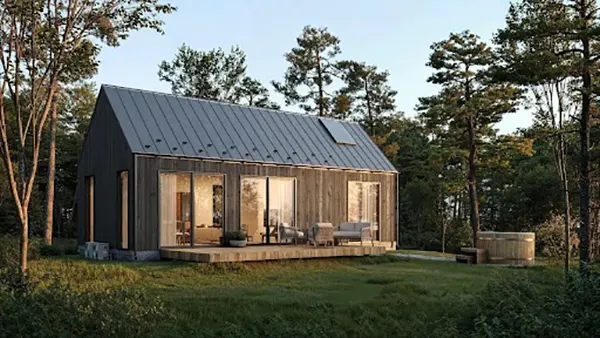
Real-time rendering relies on strong software and an efficient workflow. These tools handle lighting, materials, and shadows in a way that feels natural, and they allow quick adjustments – which is useful because clients often want small changes during reviews.
Most studios use:
These platforms offer instant previews and solid final output. You can test different design options without slowing down, which makes it easier to move toward a version that works well within the surrounding fabric or the broader built environment.
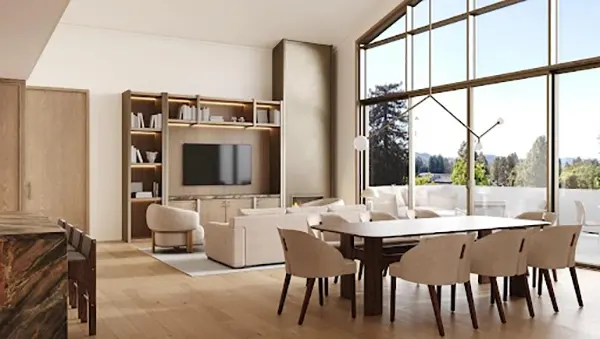
To hit a 24-hour deadline, the workflow has to be simple, predictable, and structured so each step builds on the previous one smoothly.
Everything starts with a clean 3D model. The geometry needs to be accurate, the scale correct, and extra elements removed. This keeps the file light and makes the real-time engine run smoothly. Once the model is ready, it’s imported into the chosen platform.
Materials shape how the building reads visually. Real-time tools let artists try different finishes, colors, and patterns instantly, which helps quickly settle on a look that fits the site context or adjacent development.
Lighting is one of the most influential parts of an exterior render. It defines contrast, atmosphere, and depth. Real-time engines make it easy to check sunlight angles, shadow length, cloud cover, and time of day until the image feels right.
When you add things like trees, streets, and the surrounding buildings, the project feels like it actually belongs in the neighborhood. All these details help show how the design fits into the area and interacts with what’s already there. Real-time tools usually come with built-in libraries, which makes this part faster without losing quality.
Once everything is in place, the artist exports the final image. Real-time tools generate renders within seconds, so updates can be shared right away. After exporting, the visual is sent to the client for review.
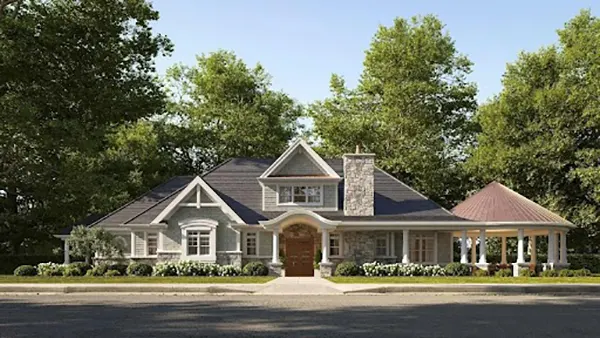
Real-time rendering brings many advantages. These advantages support designers, developers, and clients. They help improve communication and reduce mistakes. Key benefits include:
These benefits make real-time rendering a valuable part of modern architectural workflows. They show why more studios adopt these tools each year.
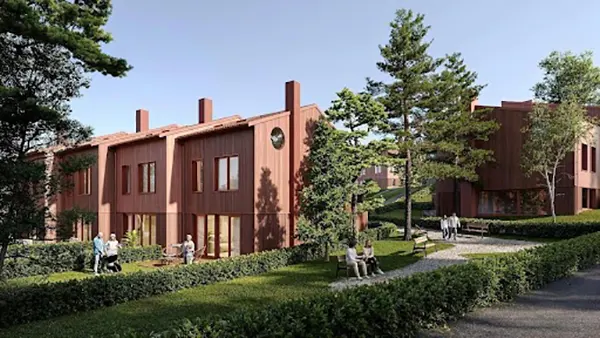
Clients appreciate fast results. They also appreciate clear visuals. Real-time rendering delivers both. It makes it easy to test new ideas and explore multiple facade options. It also gives clients more control over the final design.
This approach builds stronger trust between studios and clients. It also helps create smoother communication. When clients see results instantly, they feel more involved in the process. This involvement leads to better final outcomes.