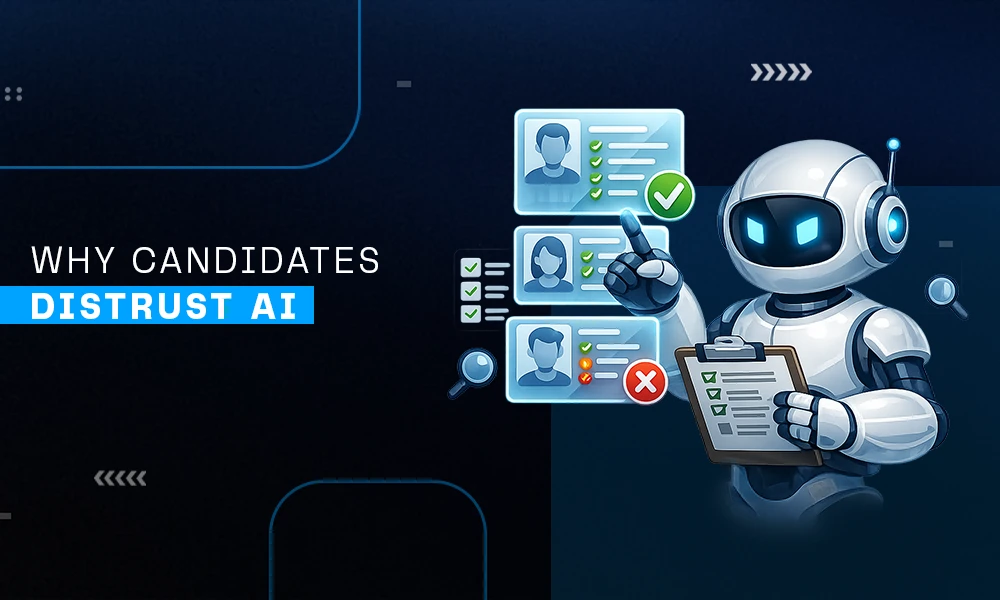
Artificial intelligence is evolving with the times and increasing its functionality every day. Earlier, it seemed only viable for casual tasks, like taking notes, suggesting ideas, and fixing mistakes, but that’s a thing of the past.
Now, AI is capable enough to transform an organization’s workflow, simplify existing pipelines, and optimize new content to enhance reach among the general audiences.
Let’s understand why these tools have become crucial for a business and which tools are perfect to suit your needs.
Key Takeaways
- AI tools provide massive benefits in practical environments by automating various tasks and objectives
- Human intervention is greatly reduced, thus freeing them to pursue more important and priority projects
- These platforms help create visually engaging and creative content for a business by suggesting and implementing various tweaks
- Risk mitigation, time saving, profit maximising and growth enhancement are some of the advantages that AI tools provide
Everyone knows that AI is changing the game with its revolutionary technology, but how do they actually make a difference in practical environments where every decision quite literally affects business outcomes?
Fast-paced work environments need quick decision-making, instant resolutions, and compliance assistance. This is where AI tools overhaul the process.
Manual and time-consuming tasks like these keep employees busy, dragging their attention away from objectives that significantly affect the course of a particular project.
AI tools automate the workflow, offering assistance and flagging performance regressions, thereby increasing the productivity of the company as a whole.
Additionally, these tools are made with a clean and simple UI (user interface), so even a fresher at an organization can easily work with them and enhance their flow.
Tools like Glean help achieve workplace efficiency, with its easy-to-understand features like code debugging, patch compliance, incident resolution, hiring setup, and sales review.
Furthermore, it is a simple tool for any enterprise to get started, as it solves the problem of data being scattered across apps and locked behind silos.
This AI tool presents fragmented knowledge and repeated questions into a unified interface where employees can find trusted info, get answers, generate content and automate work from a single place, all at once.
Another similar AI tool is Claude, which works as a chatbot, incorporating various plugins into its processes, and understanding the user’s preferences and how they want an output to appear.
Though its image manipulation and detection are limited to an extent, it makes up for it with its ease of access and simplicity, best suited for small-scale and one-time tasks.
Some AI platforms are advanced in optimizing, enhancing, and creating better content for companies.
Digital marketing businesses usually look for a Carousel Maker to fulfill such needs, whether it’s for the newest product launches, pitch decks, or creating a brand new LinkedIn post.
This AI tool offers creative personalization options, allowing a user to customize the colour palette, configure slide counters and add background effects to their visual content, making it highly engaging and informative.
Fun Fact
AI can create tailored content variations for different audiences while also matching the brand’s unique tone in just a few seconds.
Additionally, the AI platform, ChatGPT, assists users in drafting content plans and ideas that they can directly incorporate into their plan and enhance its overall appeal.
This tool is quite efficient at generating unique content at a fast pace, but lacks proper detailing on a subject and is prone to hallucinating some facts and insights, which can prove to be rather costly for a business that needs content in bulk.
As we know, performing manual tasks can become excruciatingly long, slowing down the growth of an organization and leading to reduced gains in the long-term.
This is why AI tools automate repetitive processes and workflows, and orchestrate departmental objectives, so that a company and its employees may focus on more priority-based projects that require human oversight.
Additionally, such functional platforms not only save time but also reduce risks, fortify compliance and debug errors in an instant, proving to be a necessity in modern workplaces rather than just a fancy addition.
Ultimately, the choice of an AI tool depends on the needs of the company. A business prioritizing better content and an organization searching for quicker resolution support may find separate software that satisfies their objectives the best.
But one thing is for certain, that the future of modern enterprises and their success directly translates to how a firm chooses to pursue their approach towards AI and embrace the change rather than denying it.
Ans: Yes, AI tools are best for businesses that are looking to scale their processes and grow their standing among the top powerhouses of this generation.
Ans: Yes, software powered by AI is capable of generating visually engaging and creative content for audiences, thereby increasing the ROI of a company.
Ans: AI platforms automate the hiring procedure by scanning candidates and shortlisting suitable prospects for further review. This simplifies the workflow, ensuring top-quality employees are always picked from a large pool of applicants.
Ans: Built-in guides, video tutorials, interactive examples and features of AI tools enable even a beginner to properly understand and utilize the functions of such platforms.