Scroll through any social media feed for 5 minutes, and you will realise you have seen so many products in just 5 minutes. Not proper banner ads, but very short clips like serum dropping onto a fingertip. A kitchen gadget slicing a tomato very neatly in just 2 seconds.
Well, most of them are not too long — just 20 to 30 seconds, but in this short timespan they are still selling more than a product page ever did. Most people turn to online shopping nowadays; they search for products or discover them, compare them, and then decide which one to buy.
One thing has also changed in the last couple of years, and that is how AI is transforming everything, now AI has also pulled product videos out of the studios and put it in reach of everyone, including small brands.
This guide explains why short product videos convert so well, what AI has changed about making them, and how small brands can use the new tools without losing the human touch.

Before looking at the tools, it helps to understand why the format works. Short video is not just a trend riding on platform algorithms. It answers questions shoppers actually have.
A photo tells you what a product looks like. A video tells you how it behaves. How thick is the cream? Does the jacket crease when you move? How loud is the blender? This is the information that stops people from buying, and a ten-second clip answers them faster than any paragraph of copy.
When shoppers can see a product in use, the gap between “this looks nice” and “I know what I am getting” closes. That confidence is what turns a browser into a buyer.
Most product discovery now happens on phones, generally in short bursts. Someone waiting for a bus is not going to read a 600-word description. They will watch a clip that gets to the point in the first second. Short-form video fits that moment. Vertical framing fills the screen, sound is optional, and the message lands before attention changes.
Polished studio shots have their place, but shoppers increasingly trust content that feels real. A product shown on a kitchen counter, in someone’s hand, or in a messy gym bag feels more honest than one floating on a white background. Short video makes that kind of context easy to show. It feels closer to a recommendation from a friend than an advert.
The same short clip can do various jobs. It can introduce a product to someone who has never heard of the brand. It can answer a specific question for someone comparing options. It can remind a past visitor why they were interested. Few content formats are this flexible.
For years, the barrier to product video was production, not demand. A shoot meant a studio, lighting, a camera operator, and hours of editing, so most brands made one hero video and left the rest of the catalog with photos. AI video tools did not invent the format. They removed most of that friction. The process that once took a week can now begin with a single product photo and a sentence of direction.
The biggest shift is that many AI systems can now build a video from images a brand already has. Upload a product photo or packaging shot, describe the benefit and the audience, and the tool suggests scenes, camera moves, and a sequence. For brands sitting on a library of product photos, that library has suddenly become video material.
One practical example is the CapCut ai product video generator, which takes product images or a short brief and turns them into video concepts for demos, launch teasers, and social clips. Tools like this are worth exploring as part of a wider toolkit, especially for teams that want to see several directions before committing to a full edit.
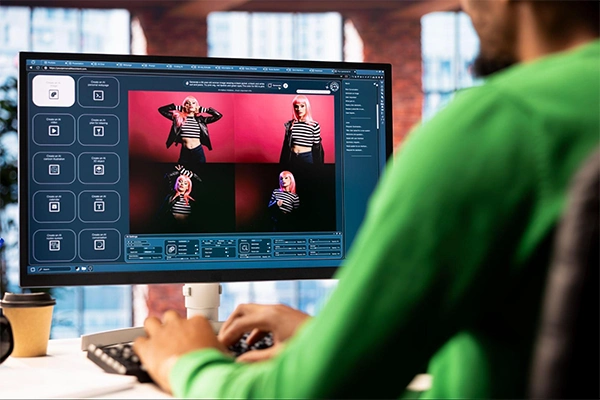
AI tools can place a product in a setting: a bathroom shelf, a desk, a picnic blanket. The goal is not to replace real photography entirely but to give brands a fast way to show context. A skincare brand can show its bottle in a morning routine. A stationery brand can show a notebook on a tidy desk. The product stays recognizable while the scene does the storytelling.
Once a product is in an AI workflow, making variations becomes cheap. A brand can produce a quick demo, a moody teaser, and a bright social cut from the same starting picture. It can try different opening shots, different tones, and different calls to action. That variety is exactly what short-form platforms reward.
Because variations are inexpensive, testing stops being a luxury. A team can run three versions of a hook and keep the winner. Over time, that habit compounds. Brands learn what their audience wants and responds to, and every new video starts from a stronger base.
AI makes video easier to produce. It does not automatically make it good. The same principles that made great product videos before still apply, and they matter even more when anyone can generate content in minutes.
Viewers decide almost instantly whether to keep watching. The opening frame should show the product doing something interesting or solving a visible issue. A slow logo reveal is a wasted second. Start with the action.
Trying to explain five features in fifteen seconds overwhelms viewers. The strongest short videos focus on one clear benefit per scene. If a product has several selling points, make several videos instead of cramming them into one.
This is where AI requires very careful oversight. The product in the video must match what the customer receives. Colors, shape, size, and packaging should all be true to life. A video that misleads might win a click, but it will also win a return and a bad review. Always check AI-generated scenes against the real product before publishing.
A lot of people watch short videos with the sound muted. On-screen text, clear visuals, and captions carry the message when audio cannot. If the video only makes sense with a voiceover, it will lose a large share of viewers.
Every product video should tell the viewer what to do next. Shop now, see more colors, read the reviews. Keep it short and specific. A good video that ends without direction leaves money on the table.
It is pleasing to see AI as a replacement for creative teams. In practice, the brands getting the best results use it as an assistant, not an autopilot.
AI tools shine at the repetitive parts of production: generating first drafts, creating variations, resizing for different platforms, and suggesting scene structures. These are tasks that used to eat up hours without adding much creative value.
What AI cannot do well is understand a brand’s personality, its customers’ frustrations, or the tiny details that make a product special. A human still needs to write the brief, choose which variation fits the brand, and decide what story the video should tell. The tools follow direction. Someone still has to give it.
Customer videos, behind-the-scenes clips, and founder stories maintain an authenticity that generated content cannot match. The strongest content mix usually blends AI-assisted product demos with real footage from real people. Each type supports the other.
For a team new to AI product video, a straightforward process keeps things manageable.
Collect clean product photos, packaging shots, and any existing short clips. Higher quality inputs lead to better outputs. A well-lit photo on a plain background is generally the most useful starting point.
Describe the main benefit, the target audience, the setting, and the tone in a few sentences. For instance: “A lightweight travel mug for commuters, shown on a busy morning, upbeat and practical.” A clear brief gives the tool a direction and keeps results on brand.
Do not stop at the first result. Produce a handful of variations with different hooks, settings, or moods. Compare them side by side and shortlist the ones that feel right.
Check every shortlisted video against the real product. Fix or discard anything that misrepresents color, size, or features. Add captions and on-screen text where needed.
Post the videos on the platforms where your customers spend most of their time. Watch the numbers that matter: watch time, clicks, and sales. Keep what works, drop what does not, and feed those lessons into the next brief.
Large retailers always had the budget to film their catalogs. The real change is for everyone else.
Short-form platforms reward frequency, and each one prefers slightly different lengths, ratios, and styles. Making enough variations by hand used to require a dedicated editor. With AI handling first drafts and resizing, a small team can keep a steady posting rhythm without hiring.
Which opening hook keeps people watching? Does a lifestyle setting beat a clean demo? With traditional production, every test meant another shoot, so most brands guessed. Now a test costs minutes, not days.
A brand with fifty products no longer has to choose one to feature. Every item with a decent photo can get its own short clip, which matters most for the long tail of products that rarely got attention before.

AI tools make it easy to move fast, and moving fast makes certain mistakes more likely to happen.
Generated scenes sometimes include small errors: a label that looks slightly off, a product that appears larger than it is, or a setting that does not suit the brand. Always review the video before posting.
Posting more is useful, but only if each video meets a basic standard. Ten weak videos can do more harm to a brand’s image than two strong ones.
A video that works on one platform may require a different length, ratio, or opening on another. Take a few minutes to adapt each version rather than posting the same file everywhere.
The point of a product video is to help someone decide whether a product suits them. If a video is all spectacle and no details, it may entertain without converting.
AI video tools are improving very quickly. Expect better product accuracy, more control over camera movement, and smoother links between video creation and online stores. The brands that benefit most will be the ones that are building good habits now: clear briefs, regular testing, and honest representation of their products.
The format itself is not going anywhere. Short-form video already sits at the center of how people search and judge products online. AI has simply made it possible for far more businesses to take part.
Short-form product video drives conversions because it shows products the way shoppers want to see them: quickly, honestly, and in real context. For years, the cost and effort of production kept most brands from making enough of it. AI has changed that by turning existing product photos into video, making variations cheap, and turning testing into a habit instead of being an expense.
The tools are only half of the story, though. The videos that convert still rely on a strong hook, a single clear benefit, accurate visuals, and a clear next step. Brands that combine AI speed with human judgment will be the ones whose products stop the scroll and end up in the basket.
Short-form video content like TikToks, Instagram Reels, and YouTube Shorts is popular because it fits modern habits, psychology, and technology.
Forgetting customer preferences, chasing volume over quality, ignoring platform differences, and posting videos without reviewing them first are some common mistakes.
Hook in the first second, one benefit per scene, keeping the product accurate, and ending the video with a clear next step can make an AI product video useful.