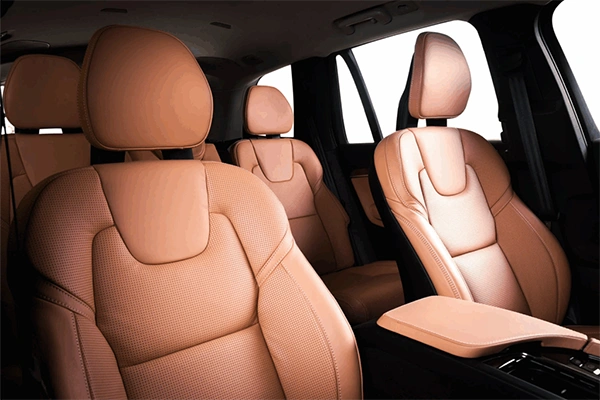
The interior of vehicles presents a harsh environment, absorbing the wrath of the sun’s ultraviolet rays during the summer, the creeping cold of winter, and everything else that nature throws your way.
This is why choosing the appropriate automotive-grade material is essential to survive and feel comfortable in such extreme environments, where a simple choice allows you to experience the joys of every season instead of fearing it.
This guide explains the need for such changes and whether they are worth the investment for the long-run.
Key Takeaways
- Automotive-grade materials come equipped with industry-standard certifications that indicate their authenticity
- Leather seat covers provide unmatched comfort with their protective coating made to avoid stains or spills
- Maintaining such materials is easy, and regular care ensures that they do not lose their original properties
- Though their initial one-time cost is high, they make up for it in the value provided to their users
Automotive Grade Materials are specialized, high-performance, and built for mechanical, thermal, and chemical resistance.
They also come equipped with various industry-standard certifications that indicate the authenticity of their abilities.
Always check such certification proofs before considering buying an automotive-grade material, so you get an idea of their effectiveness.
Leather and leatherette seat covers are durable materials, designed to withstand extreme UV exposure, temperature changes, and high friction.
These are well-suited for a vehicle’s interior as they follow all standards and regulations set by the government. Additionally, they also completely transform the aesthetics and feel of a car by making it appear premium throughout its life.
On top of that, they also provide unmatched comfort, with their protective coating made especially to protect against stains, body oils, or spills.
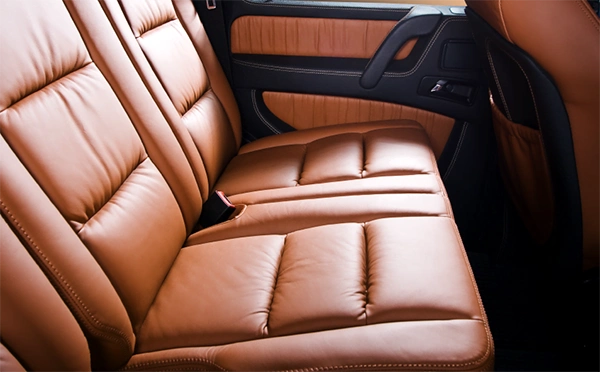
Automotive-grade leather from coverland leather seat covers comes equipped with pigment-dyed top-grain coating that serves multiple purposes at once and adapts well to different seasons.
During high temperatures, it provides the necessary protection from harmful ultraviolet rays and deals with the sweat issues easily, without ever staining the covers.
Additionally, a few premium alternatives also come with temperature regulation, which proves to be very effective and useful in colder climates where the wind can creep inside the cabin, allowing the passengers and the driver to remain comfortable throughout their long journeys.
Regular seat covers aren’t built to last in changing weather, offering no assistance or protection to the vehicle’s interior.
Maintenance of these covers also does not go well, as they are bound to get torn or abraded with regular use.
This is why the obvious choice remains to go with automotive-grade materials, such as a leather cover, which is certified for its extreme durability (multiple industrial tests prove it), providing the users with the utmost comfort, protection, and most importantly, serving them great value for longer periods of time.
Fun Fact
Leather used in cars is a by-product of the meat and dairy industry, essentially acting as the oldest form of upcycling. Without this use, these hides would rot in landfills, emitting CO2. Making this whole process a by-product of sustainability.
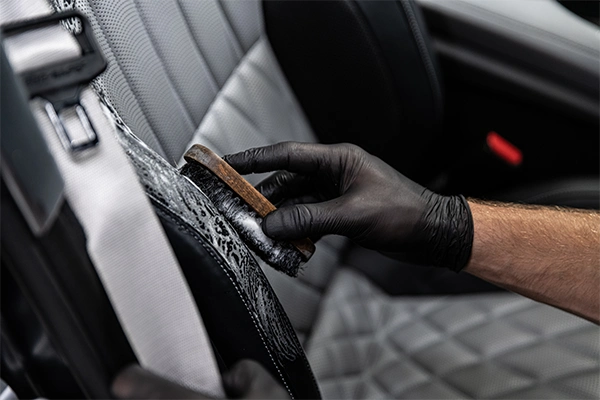
The following are the methods to maintain your newly bought covers:
Following this routine every few weeks or months can improve the life of your investment over the years, allowing it to remain clean and scratch-free, retaining all of its original properties without ever fading.
Although a little more on the expensive side, the benefits, functionality, and long-term use offered by the industry-grade material are invaluable, making it almost an essential for vehicles that spend most of their time in extreme weather conditions.
The value outweighs the one-time investment heavily, as they prove to be useful in the long-term, whereas a cheap and regular purchase now would force you to buy the same untested material multiple times over the years, thus massively increasing the total expenditure.
A cost-effective material that protects against harmful UV rays, prevents abrasion, and provides a premium look and feel to the vehicle year-round, without requiring much maintenance, should be the obvious choice for someone who enjoys these functionalities and added comfort, which makes their lives much easier while on the road.
Ans: They prevent abrasion, provide protection from UV exposure, regulate the temperature inside a vehicle’s cabin, and are durable and comfortable.
Ans: The following are the ways to maintain such materials:
Ans: Yes, these materials pass through several industry-grade tests that verify their authenticity and solidify their claims of being able to handle tough conditions
Ans: Regular seat covers tend to fade and attract stains after long-term use, and are also prone to getting torn. They also do not provide any protective covering against extreme temperature conditions.