KEY TAKEAWAYS
- Understand what the print-on-demand business is?
- Learn about key decisions before launching a custom merch line
- Discover the marketing and growth strategies for 2026
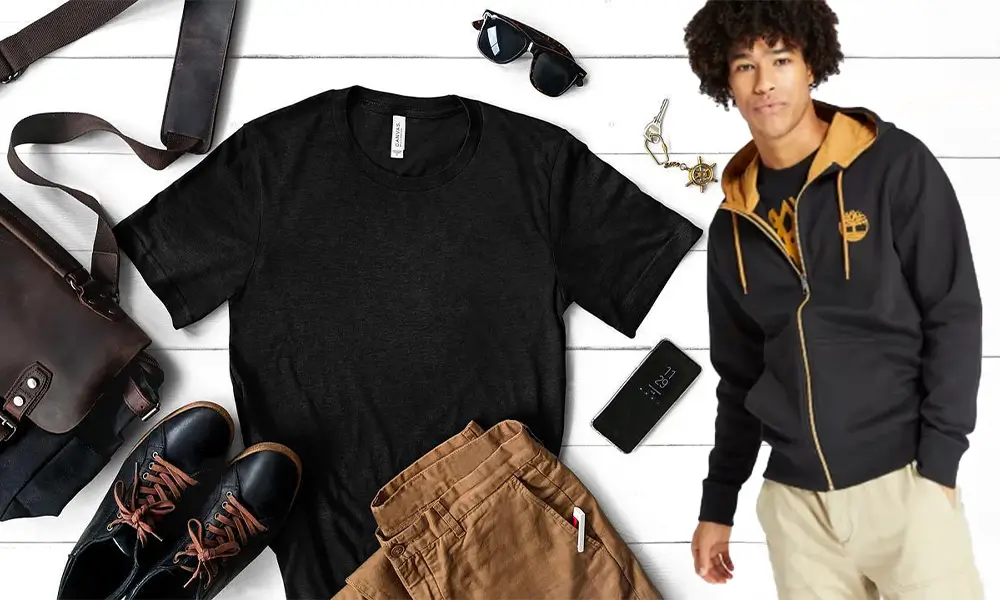
Ever thought about seeing your own creative illustration on the t-shirts, artwork on the posters, logo on the backpacks, or custom design on the mugs? If yes, then 2026 is the time to start your own print-on-demand custom merch line, like DTF Transfers Now,.
Print-on-demand business is one of the simplest ways to turn your creative designs and ideas into real money. Maybe that is why there are around 228K print-on-demand stores right now around the world. Want to add your store to this data? Just start with choosing a niche, selecting the design, and the products you want to work with, like t-shirts, posters, bags, etc.
One can list these products on many reliable websites, like Etsy, Shopify, or other e-commerce platforms. Let’s continue with the article and understand how things work and processes take place.
In simple words, print-on-demand is a business model where products like clothes, accessories, home decor, etc, are simply designed by sellers and produced by suppliers once the order is placed.
So when a customer places an order, the product is printed, packed, and shipped by a third-party print-on-demand service. Want to know how it is going to work in 2026? Here is how:
The benefit the seller gets from it is a lot like they don’t have to buy in bulk, store boxes of products in the home or warehouse, or pack and ship orders themselves. Also, the seller only has to pay for the product after they get a sale. This makes POD a low-risk way to start a custom merch line.
Get excited after knowing the benefits? But wait, before starting anything, you have to make some smart decisions. These choices will shape your brand and help avoid costly mistakes:
Instead of trying to sell to everyone, the seller has to understand the value of the target audience, who could be anyone, pet lovers, anime fans, artists, etc. This will help stand out in the market and create designs people actually connect with.
Similarly, the product type is also very important. Don’t just start with everything; keep the start simple and easy on you. One can start with products like t-shirts, hoodies, mugs, tote bags, and phone cases. Start with 3-5 products and expand when sales actually start coming.
Now comes branding. Believing that branding is just a logo is like believing that cricket is just about the bat; while it’s important, it’s not everything. Try to add a brand voice in a fun, inspirational, or edgy way (whatever you think is best). Also, think about adding a fun and catchy slogan or taglines. These things might seem small, but you’ll see the effective results soon.
A lot of things depend on the seller’s decision on how and where to sell. Some POD platforms in 2026 are Printful, Printify, Gelato, Teelaunch, etc. Now, sellers can compare these on product quality, price, profit margin, shipping time, and location, and the product range (local, eco-friendly, premium).
There are two ways to sell a product here: one is making your own store on sites like Shopify, WooCommerce (WordPress), or Wix, or selling on marketplaces like Etsy, Amazon, eBay. One can start with one main channel, and with time and growing sales, one can move to other channels.
Basics decided? Let’s see how the day-to-day workflow will look:
Research and Design Idea:
(Tips: Avoid tiny details that might not print well)
So if we see the work, the seller mainly handles customers’ questions, branding, marketing, and updating products and designs.
Never forget that your store will not grow unless you market it, but it is not difficult because you do not have to do everything; simply pick some ways and work with them.
Ready to sell custom products and build a successful brand? Print-on-demand custom merch line is one of the most beginner-friendly ways to enter e-commerce. Also, the path of selling is clearer and more accessible than ever; you don’t always need a big budget, warehouses, or complex tech skills.
The things that you have to be more focused on are being patient, testing new designs, and listening to customers, and with time, you will see your POD store growing into a real money-generating thing and a long-term business.
Yes, one can start print-on-demand without any money up front using free platforms like Canva, Printful, Printify, etc.
The best print-on-demand selling products are hoodies, t-shirts, and mugs.
They are Pets & Animals, Hobbies & Interests, Fitness, Mental Health/Self-Care, and Personalized Gifts (family, weddings, profession).
Yes, one can definitely do that.
Yes, one can start print-on-demand without any money up front using free platforms like Canva, Printful, Printify, etc.
The best print-on-demand selling products are hoodies, t-shirts, and mugs.
They are Pets & Animals, Hobbies & Interests, Fitness, Mental Health/Self-Care, and Personalized Gifts (family, weddings, profession).
Yes, one can definitely do that.