The internet is the center stage of today’s modern landscape, and all activities performed on it mean something. They create a profile of the person browsing the web, understanding their likes, dislikes, and more.
Similarly, targeted advertisements use the same method to configure and tailor recommendations according to our preferences. But where do they gather this data from? How do they have so much information on us?
This article answers these questions, explains the role of data collection, and shows you how you can better manage your privacy and stay safe online.
Key Takeaways
- Data is attached to everything we interact with, allowing others to identify the material, its origin, author and file type.
- Our online activity is monitored, judged from the digital footprint, and later used to display targeted ads
- Fashion brands make use of such digital marketing strategies to boost their growth and appeal
- It is best to only provide limited information to sites on the internet, as sharing of additional data may increase the chances of privacy concerns and personal data misuse
As we know, our activity is monitored on the internet. Every time you open a new website, click on a product, spend time on social media, and watch your favourite videos, everything quietly builds your digital profile.
This digital footprint stores all our preferences, our online patterns, history, and everything related to it, and all this information is generated by learning about the metadata we interact with.
Everything we see on the World Wide Web has hidden data attached to it that helps identify the material, its origin, author, and file type.
Many organizations use this information to influence the digital lives of everyone who interacts with anything on the internet.

Ever get a feeling that you are constantly being watched online? Well, that is true to some extent, as our online activity is recorded, judging from our digital footprint, and later used to display targeted ads on our feeds.
The main objective is for the user to see products that they are interested in and filter out the rest, thereby taking advantage of our pre-existing intent to recommend things that might attract us enough to make the final decision of buying them.
Although it’s not all bad, because who wouldn’t want to only see what they like on their digital space and avoid the problem of manually closing each advertisement that doesn’t spark their interest. Right?
The fashion industry has also picked up on the modern way to display suggestions to users. With the assistance of targeted advertising, fashion brands can more accurately understand what the users want and when.
For example, if you’ve been recently thinking about getting urself a bangle and have researched it online, chances are that the next webpage you might have at least one ad recommending you to consider koa wood jewelry.
This is how fashion brands make use of such digital marketing strategies to boost their growth and appeal, and also ensure that they properly understand their customer’s preferences.
Did You Know?
Third-party cookies are hosted on many sites, allowing advertisers to build a cohesive, long-term profile of your interests, browsing habits, and purchasing intent.
Data is fundamental to creating personalized recommendations, and this can only be made possible when the data is properly processed, understood, and transformed into valuable insights using a structured infrastructure that is capable of gathering this large amount of information at once.
Organizations that look to adapt to the latest trends in data collection, whether taking the help of AI-powered tools or creating their own algorithms, all require a centralized system or infrastructure through which they can conduct such operations at scale.
When accurate data is collected and analyzed, it reveals the possibilities that firms can utilize to better configure their advertisements according to the latest information about their customer base.
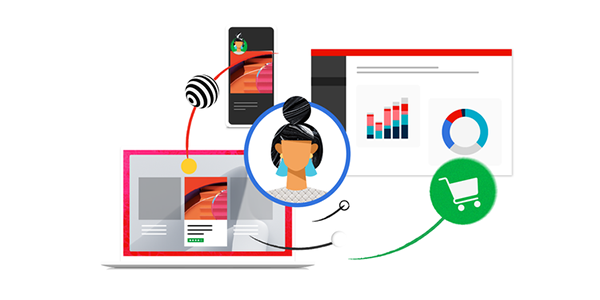
This data collection method is now used by almost everyone on the internet, and it does prove to be quite useful for both businesses and customers.
But regular users must be aware and know that it is best to only provide limited information to random sites on the internet, as sharing of additional data may increase the chances of privacy concerns and personal data misuse, if the database or servers of any company are compromised.
There are already many dangers lurking about online, waiting for every opportunity to pounce on your data whenever possible.
Hence, to safeguard your actual personal details from unauthorized sources, just remember to enable the “share limited data” option on your devices, browsers, and any websites you visit in the future.
Ans: Advertisements that are personalized and shown to users according to their personal interests and preferences are known as targeted advertising.
Ans: This can only cause real privacy issues when you unknowingly agree to share all the data with the internet. Monitoring regular browsing behaviour to recommend products remains harmless in itself.
Ans: Huge corporations understand our behaviour through the metadata attached to almost everything online, pictures we like, videos we watch, articles we read, and more. Our digital footprint essentially enables all of this to happen.
Ans: Yes, brands of any industry can benefit from this method by using it to better understand customer behaviour and their intent, thereby allowing companies to really focus their spending on digital marketing campaigns and save on additional costs.