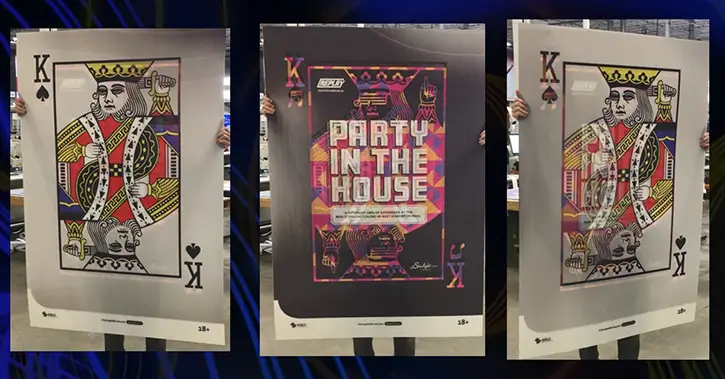
A Forbes study says the average shopper makes 82% of purchase decisions in-store, and many of those purchases are unplanned. That means winning attention in the few seconds before a customer walks past a display can directly influence sales.
But that’s becoming harder every moment. Static posters often blend into the background, while shoppers have become experts at tuning out traditional signage.
That’s why lenticular posters are getting popular. By creating the illusion of movement or changing images as customers walk by, these displays naturally attract attention, improve message recall, and communicate promotions more effectively than conventional print.
Here are five reasons retailers are choosing 3D posters for in-store promotions.
KEY TAKEAWAYS
- Lenticular posters capture attention by creating an illusion of movement.
- Their dynamic visuals improve message recall, making promotions more memorable at the point of purchase.
- They work across multiple retail environments without requiring electricity, software, or ongoing maintenance.
- They offer a strong return on investment by combining engaging visuals with low long-term operating costs.
Lenticular posters immediately stand out by creating the illusion of motion in busy retail environments filled with competing signs. There is a lot of signage, but most of that is static.
Customers perceive motion and not color or text. These displays do not become part of the visual clutter but disrupt it. That little advantage is important in an aisle where dozens of signals are vying for which to look at. That is a significant benefit in a world where a majority of displays receive less than a second of attention from a shopper.
Movement is the first thing customers can see before they see color or text. These displays don’t cause visual clutter; they interrupt it.
Studies indicate that dynamic packaging holds the attention of the shopper longer and encourages them to fixate more – both of which are linked to a higher purchase intention.
For retailers, it’s just a clear benefit: more likely to be noticed before someone passes by.
Retailers also want customers to recall the promotion after they’ve left.
This is where lenticular posters beat flat printed posters. Unlike conventional posters, lenticular displays create a small interactive experience as the image changes with the viewer’s angle. As it’s not just a glance but an experience, they are more easily retained in memory.
This is important because that is the way purchases are made. One study of over 3,000 shoppers found that 82% of purchase decisions were made in-store, with 62% of those being impulse buys. When it comes to promotional budgets, that’s a trend retailers cannot ignore.
With such a high percentage of purchases being made in the store aisle, it makes sense that displays would be more memorable at the time of purchase.
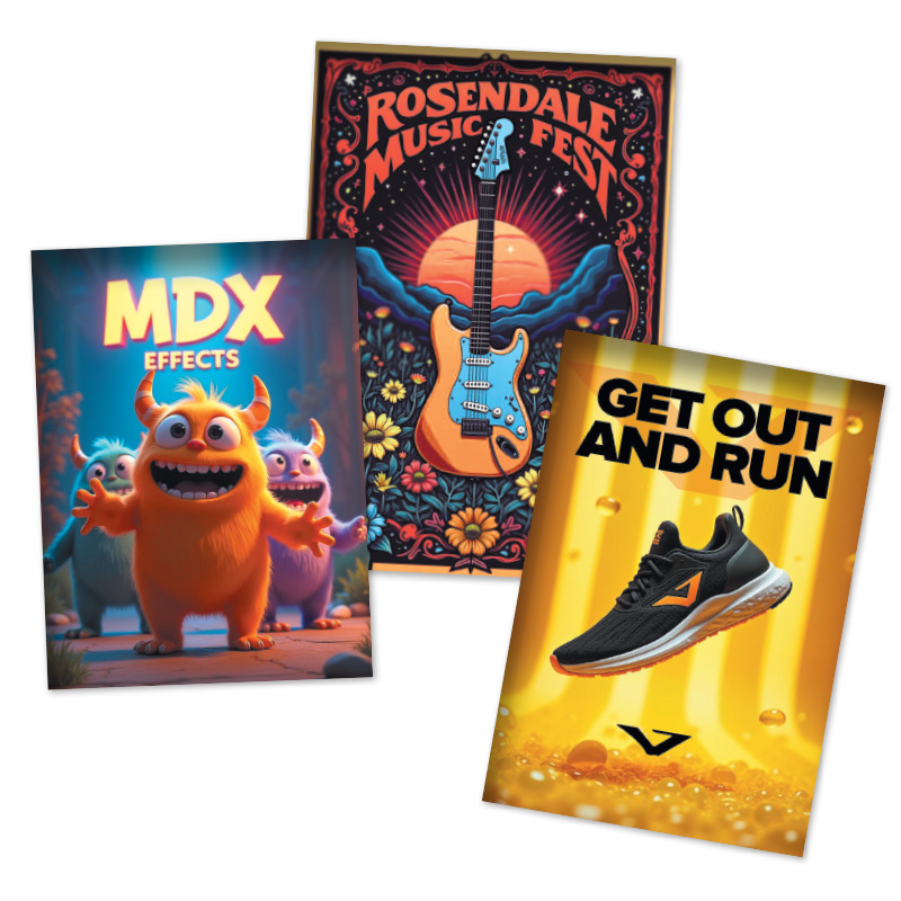
Once a business has got eyes on it, another hurdle is making a display work for many different types of stores.
Lenticular posters deliver the same attention-grabbing effect across a wide variety of retail environments, whether placed at:
Moreover, they do not require power, Wi-Fi, or continuous upkeep, which is particularly beneficial for merchants with several storefronts. The reliability also makes planning easier, as a chain rolling out the same campaign at dozens of stores does not have to deal with hardware troubleshooting at each location. For merchandising teams that may be implementing a national or regional promotion, it saves money and coordination time.
This versatility allows teams to use the same display format for multiple campaigns, ensuring production and rollout are straightforward.
| INTERESTING INSIGHT Google says that 3D ads can help you reach up to 8x higher engagement than 2D ads. |
Traditional posters communicate a single static message. Instead, lenticular posters can present a before and after, a product change, or a two-stage unveil, all in just one printed piece.
That storytelling skill alters the interaction of customers with a message. They watch a claim, rather than read about it.
In a 2024 study of in-store signage and shopper attention, it was found that it is the engagement of the people during the search and decision-making process that can be influenced by signage, and that other displays that merely sit in the background are less effective.
In the case of retailers, that differentiation is important: a poster that shows a product or a promotional message in a visual manner can convey more in the same space than a display. It also implies that promotional messages can be more nuanced without any additional copy or signage.
You can easily visualize or even create content for these lenticular posters with the top free AI tools.
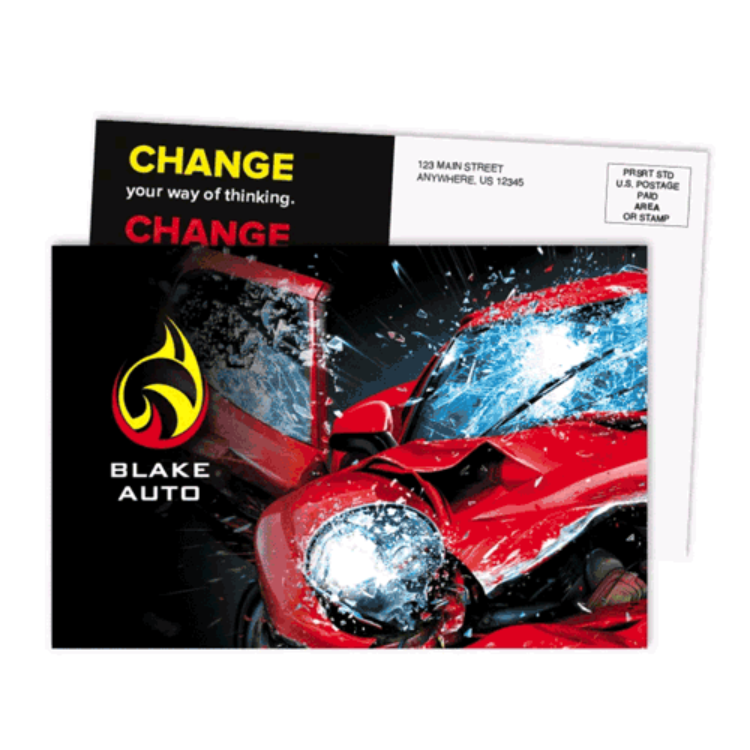
Beyond attracting attention, retailers also need promotional materials that justify their investment. Lenticular posters often pay off very quickly in terms of production costs.
No batteries, screens, or software updates are needed once these displays are printed, resulting in an ongoing low cost that is in parallel with a high visual impact.
The visual shift can maintain interest over the course of a campaign, allowing retailers to achieve more out of one promotional display than they would with traditional static posters, which require regular changes to remain engaging. That durability can really pay off during a multi-week or seasonal promotion, when the cost of replacing flat posters would otherwise go up.
Retailers choose lenticular posters because they solve several marketing challenges with a single display.
It attracts attention. Aids shoppers in recalling promotions. Works in various retail environments. It relates a tale without the intervention of additional space. And it’s a worthwhile investment that pays off.
There is not a lot of visual competition in a retail setting. It’s not something new; it’s more like something that does the job that static posters never really did.
What is a lenticular poster?
It’s a printed display that uses a specially designed plastic lens to create effects such as motion, depth, or image changes when viewed from different angles.
Why are lenticular posters more effective than traditional posters?
Unlike static posters, they capture attention through visual movement, making promotional messages more engaging and easier for shoppers to remember.
Where can retailers use lenticular posters?
They can be used in storefront windows, checkout counters, end-cap displays, shopping malls, trade shows, supermarkets, and seasonal promotional campaigns.