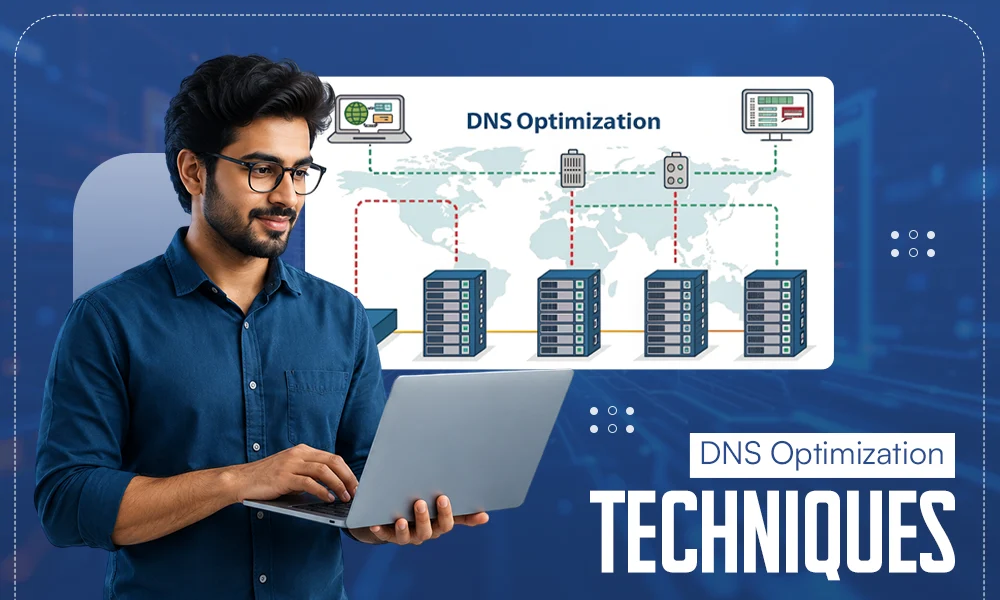
A branch network strategy that connects remote offices to a central headquarters or cloud, allowing for data access and consistent security for employees across all locations.
In modern branch offices, SD-WAN is used to optimize performance. Hence, it reduces dependence on expensive MPLS lines by routing traffic.
A branch network strategy weighs demand, operating performance, customer access, and future market conditions.
Read the blog to learn more details.
A branch network supports growth when place meet distinct needs and not of duplicating service. One branch might help a dense neighborhood; another gives access in a rural area. Market analysis should map current customers, population changes, traffic habits, and competing services. Together, these things show where coverage works and where customers face gaps.
Market comparisons also depend on consistent limits. A branch’s customer area should show real travel routes and local access, and not a uniform radius around every address. In dense areas, customers have many close options; rural customers usually travel far for in-person service. Mapping these differences helps leaders pick whether a branch fills a real coverage need or duplicates nearby service.
Internal performance data shows how each place helps with deposits, lending, and service activity. Leaders should compare results with forecasts and operating costs, then think about whether local conditions explain a change. A short-term decline tied to renovations or staffing differs from a lasting drop in demand. This distinction stops one weak measure from driving a decision with long-term effects.
Keep a branch where it meets financial expectations and serves a market with lasting demand. A review should think about future forecasts and local conditions, not just recent results. A well-placed branch with declining results may need a change if its layout, service model, or technology no longer meets customer needs. Renovation can refresh the customer experience while preserving the institution in a market it plans to serve.
Relocation suits an underperforming branch when the market stays attractive, but the site creates barriers. Traffic patterns, access, and site limits can explain weak results even when customer demand exists. Demographic and market data can help find a better place. Closure makes sense when weak results persist, and the branch hurts the network’s overall results. Before deciding, leaders should weigh customer access against the cost of keeping the location.
Growth priorities should shape branch format and investment. A market gaining customers may need more capacity, and a stable market may need good access without an expanded footprint. Leaders should connect capital requests to proof of demand, such as customer growth, service needs, or site constraints. This way keeps renovation and relocation plans grounded in local conditions and not broad assumptions.
Each decision affects more than one place. A closure can cut costs but create a service gap; a relocation can improve access and also shift demand to nearby branches. Leaders should consider each option against network coverage, customer needs, and growth priorities. Mapping branches with demographic patterns helps find overlaps and underserved areas. The final plan should give every place a clear goal and explain how its investment helps that role.
Before deciding a big change, leaders should record the proof, assumptions, and expected results. Each branch review should explain which data points have the most weight and where local context matters. After a remodel or move, managers can see results against the original forecast. This makes accountability and gives future reviews a good starting point.
Market growth depends on decisions that fit local conditions and the network’s shared goals. Leaders can start with a market-by-market check of results, customer access, demographic evidence, and site constraints. They can then decide each branch’s role and pick whether to retain, update, move, or close it. A good next step is to record the assumptions behind each decision, then revisit them as market evidence changes.
Branch networking is a strategy that connects an organization’s various locations, enabling them to exchange information securely.
Degraded application performance due to inefficient traffic paths between distant locations and data centers or the cloud. Network bottlenecks can also occur if too much traffic converges at certain points, causing slowdowns. Managing multiple disparate networks remotely without direct physical access presents a significant challenge.
Branch networking is evolving to be more flexible and cloud-based, moving away from rigid, hard-coded connections. To modernize their branch networks, organizations often adopt a secure access service edge (SASE) model,