“Anything that is human is mentionable, and anything that is mentionable can be more manageable.” – Fred Rogers (American TV personality)
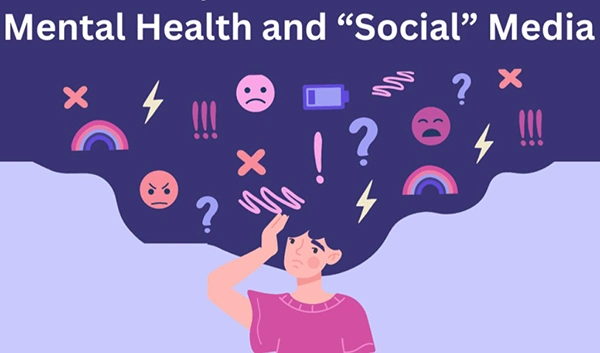
In this era, where our lives are inseparably linked to the digital world, the way how we perceive wellness has also changed. You don’t need to suffer in silence behind closed doors when you have your screen as your partner.
We are witnessing a revolution where vulnerability is becoming a superpower, which is transforming the way we navigate our inner lives.
Key Takeaways
- Authenticity is replacing perfection in today’s digital world, where vulnerability is viral.
- Your digital environment plays a major role in dictating your mood.
- Social media has the potential to bridge the gap to professional knowledge.
Feeds are now becoming ‘real’ as polished perfection surrenders to raw honesty. Influencers and users are now sharing their struggles to create a powerful ripple effect of authenticity.
In an isolated world, looking at someone who voices your exact anxieties forms an instant bond that traditional media simply cannot replicate.
As the saying goes, you can’t have the good without the bad! Social media also offers immense benefits, along with posing significant risks to emotional well-being. While providing a lifeline to remote communities, the comparison trap often triggers inadequacy.
If you are following authentic and growth-oriented accounts online, you can turn your feed into a curation sanctuary. Also, since doom scrolling is a major issue concerning the use of social media, you need to set boundaries and practice intentional consumption to prevent social media have negative impact on your well-being.
Fun Fact: Using emojis in mental health posts not only makes the content more approachable but also increases engagement.
While the impact of social media platforms on our lives and on our mental health varies, it is highly dependent on the depth and reach of the dialogue itself.
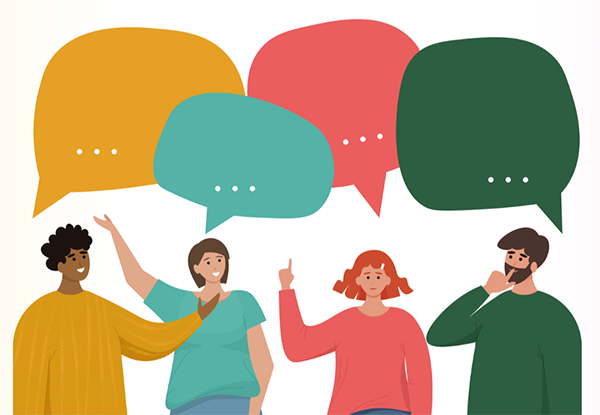
Sharing difficult topics online overcomes the feeling of shame we often face. Mental health community discussions normalize struggles, proving they are not wrong but human. This dialogue fosters a world where seeking help is as ordinary as treating a physical injury.
Digital platforms offer better awareness for misunderstood conditions such as adult ADHD and burnout. Social media, at times, acts as an educational megaphone, which empowers you to recognize the symptoms so that you can be more empathetic towards other people.
Seeing other people share their therapy journey lowers the barriers to entry. The online conversations often push forward the need to seek professional mental health services early. This can help in making a daunting medical process transform into a relatable path towards healing.
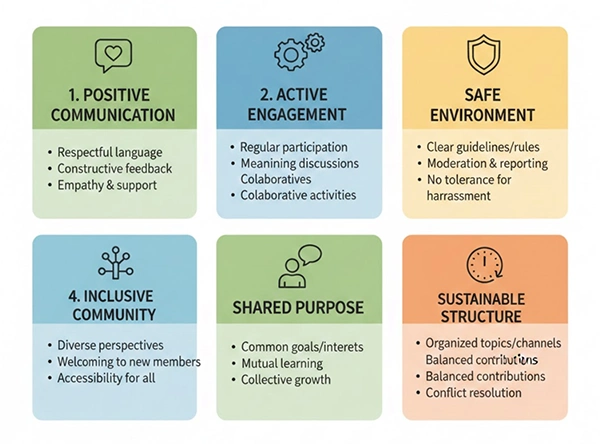
Beyond general awareness, the digital world offers specific and structured sections where you can find the right kind of support you need.
There is nothing quite like the ‘me too’ moment found in niche groups. Whether it is a Facebook group or a subreddit, peer support offers a unique level of lived-experience empathy that professionals sometimes can’t provide.
Licensed therapists are now making use of short-form video to debunk myths and offer grounding techniques. It is a kind of education woven with entertainment, which makes psychological tools accessible to all, regardless of their financial situation.
Safety should not be compromised at all. Plenty of users are moving to spaces where moderators ensure that their conversation stays constructive and free from any sort of bullying. Such protected and moderated platforms are essential for those who feel especially fragile.
Did You Know?
According to research, ‘social tagging,’ which means labeling your emotions in a post, can help in reducing the intensity of those emotions.
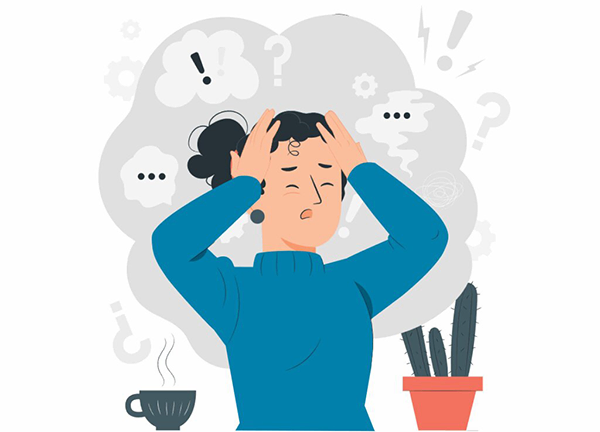
Acknowledging the shadows is essential. Misinformation can spread as fast as truth can, and toxic positivity can sometimes silence genuine grief.
It is important that before you adhere to any advice, you verify the credentials of those who are giving the advice. Always remember, a viral video can never be a substitute for a clinical diagnosis.
Navigating through the digital landscape should not feel like a battle to anybody. Therefore, we need platforms that prioritize human connection.
GetAssist focuses on purposeful networking, community-driven support, and harnessing the power of the internet. The main target is always to heal people rather than harm them in any way.
If you encounter toxic comments, the best you can do is block and report; your peace of mind is more essential than winning an argument online against strangers.
Although online groups are good for support, clinical issues require a professional.
You do not need to push yourself. Engage in conversations gradually, take breaks, and most importantly, protect your emotional boundaries and participate at your own pace.