
Creating content that feels genuinely human has become a priority for writers, marketers, and students alike. With the advancement of AI software, detection tools are also increasingly becoming more sophisticated.
But these systems are not always perfect and can sometimes falsely flag authentic writing. Instead of trying to game the algorithms, the better approach is to improve the quality of your natural writing.
This guide explores practical methods and free AI tools that assist you in crafting authentic content while maintaining integrity and readability.
Key Takeaways
- Sentence variation and the simplification of language help make content feel more human
- Free AI tools suggest changes and additions to the content to make it appear more natural and interesting to readers
- Using a personal tone with real-world examples and deep insights greatly enhances the engagement factor of the content
- Adding in visual elements and maintaining a well-defined structure of the written content keeps readers interested for a longer time
Genuine writing carries a natural rhythm that machines cannot replicate. The easiest way to ensure this is by writing the way you speak in real conversations. This simple approach creates a personal tone that readers instantly connect with.
Start by simplifying your language. Avoid overly technical vocabulary unless it is necessary. When ideas are expressed clearly, readers are more likely to stay engaged and understand your message.
Sentence variation plays a key role in making content feel human. Combine short, punchy sentences with slightly longer ones to create a dynamic flow. This prevents your writing from sounding repetitive or robotic.
Adding a touch of personality makes a huge difference. Small additions like opinions, relatable examples, or phrases help humanize AI text without making it feel forced.
Originality is one of the strongest indicators of human writing. AI tools often generate generalized content based on patterns, while humans bring unique perspectives and interpretations.
To appear unique, focus on adding value beyond general information. Share deep insights that reflect your understanding of the topic. This includes practical tips, personal observations, or industry-specific knowledge.
Real-world and practical examples significantly enhance your content, providing context and abstract ideas to better understand the topic. Readers appreciate when the content feels grounded in reality instead of generic explanations.
Developing your own voice takes time, but it is worth the effort. When your content reflects genuine thought, it naturally becomes more credible and engaging.
Editing is where good writing becomes great. Even the best drafts need refinement to achieve clarity and flow.
Begin by reading your content out loud. This method helps identify awkward phrasing and artificial sentence formation. If something sounds off when spoken, it most likely requires readjustment.
Breaking large paragraphs into smaller sections improves readability. Short paragraphs make your content easier to scan and more appealing to online readers. This is especially important for blog-style articles.
Manual editing also allows you to insert personality. The tone, transitions, and key points can be altered to humanize your content. This step is crucial if you want to avoid content that feels overly technical.
Writers who take time to refine their work are more likely to produce content that resonates with readers and avoids issues related to bypassing AI detection concerns.
Using the right tools can greatly improve your writing without making it sound robotic. These AI tools are designed to enhance clarity, grammar, and originality while maintaining your unique voice.
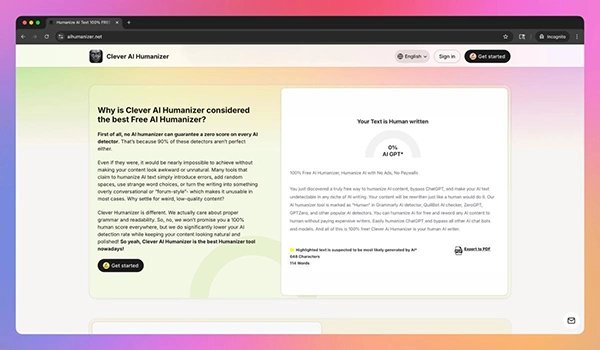
Clever AI Humanizer is designed to refine and enhance text so it reads more naturally. It helps adjust tone, structure, and phrasing to make content feel less mechanical.
This tool is specifically useful when you want to smooth out and simplify rigid or formal writing. It assists in making your content more engaging while also maintaining clarity.
Many writers use such tools responsibly when they want to humanize ai text and bypass ai detection concerns naturally and ethically, focusing on readability rather than manipulation.
When used correctly, it supports writers who aim to write plagiarism-free text while keeping their work authentic and reader-friendly.
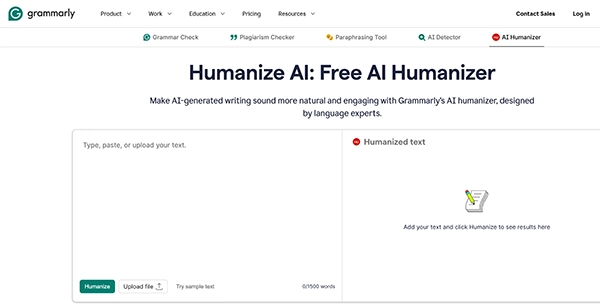
Grammarly is one of the most popular writing assistants available today. It helps correct grammar errors, improve sentence structure, and refine tone.
This tool is especially useful for enhancing the quality of drafts. However, it is important to review suggestions with care instead of accepting them blindly. This ensures your writing still appears and sounds natural.
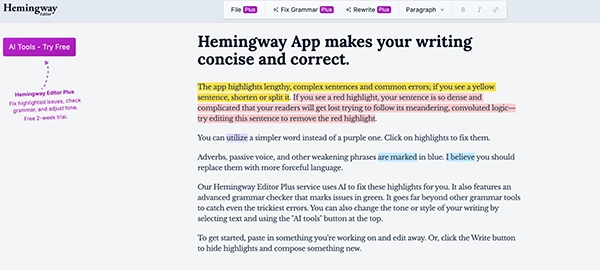
Hemingway focuses on readability and simplicity. It highlights complex sentences, passive voice, and unnecessary words.
Simplifying your writing makes it more engaging and easier to comprehend. Readers always prefer content that is direct and straight to the point.
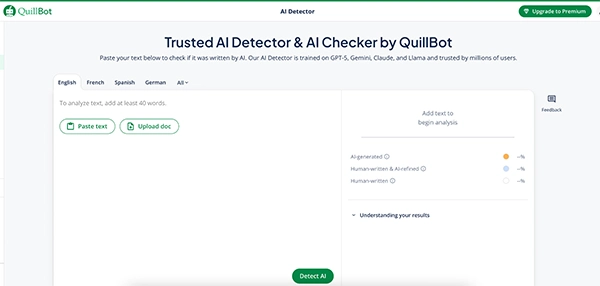
QuillBot is a paraphrasing tool that helps rephrase sentences while maintaining their original meaning. It is useful for improving flow and reducing repetition.
Use this platform as a support tool rather than a replacement for writing. Always remember to review and change the output to support your tone and intent.
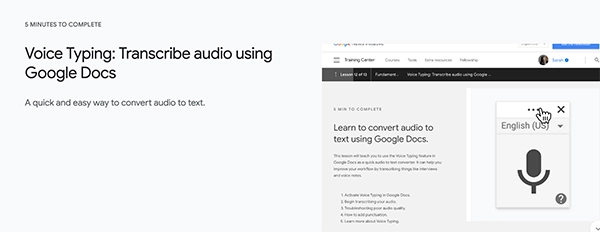
Voice typing is a powerful yet underrated feature. Speaking your ideas often results in more natural phrasing compared to typing.
This method often speeds up the writing process while also making your content appear more conversational. It is especially useful for brainstorming and drafting.
Fun Fact
Detectors often catch text that uses high frequencies of LLM favorites like “delves”, “showcasing”, “underscores”, “crucial”, and “insights”.
Content made with a clear and well-defined structure is easier to read and more enjoyable to consume. This kind of organization plays a vital role in how readers interact and relate with your writing.
Start by using clear headings to divide your content into sections. Each section should focus on a specific idea, making it easier for readers to follow.
Short paragraph structure amplifies readability. Large blocks of text can feel overwhelming and less interesting, especially on mobile devices. Breaking the content into smaller segments helps readers stay engaged.
Lists and tables are also effective tools. They simplify complex information and make key points easier to understand.
| Feature | Human Writing | Generic Writing |
| Tone | Conversational and expressive | Flat and repetitive |
| Sentence Variety | Dynamic and varied | Predictable patterns |
| Insights | Unique and thoughtful | Generalized content |
| Readability | Easy and engaging | Often dense or rigid |
Visual elements inside your content greatly enhance the overall reading experience, helping the text to break up and making information easier to process.
Images, charts, and infographics can support your message and keep readers interested. They also improve the visual appeal of your content.
For example, an infographic summarizing writing tips can be highly effective.
Creating authentic content is not about avoiding detection systems. It is about delivering value, clarity, and originality to your audience.
When the focus is set on natural writing, helpful insights, and a proper structure, your content automatically stands out. These things not only enhance the readability but also build trust with readers.
By combining strong writing practices with the right tools, you can consistently produce high-quality content that feels human and performs well across platforms.
In the end, the goal is simple. Write for people, not algorithms, and your content will always make an impact.
Ans: Adding in real-life examples, conversations, visual elements, and deep insights can help the content appear more interesting and engaging for the readers.
Ans: The ease with which your content can be understood by an average reader is called readability. This can be enhanced by breaking the content into smaller chunks and avoiding the use of overly technical terms.
Ans: Exploring the topic yourself and writing according to what you understood, with additional details highlighting its key points and the use of infographics, makes the content appear more insightful.
Ans: AI tools help make your content appear more engaging and interesting while also retaining your unique tone and voice. They display suggestions and changes that you can add to your content to enhance it overall.