
Photo by Alena Darmel
“Good content isn’t about good storytelling. It’s about telling a true story well.”
— Ann Handley (Author)
Humans love stories. Everywhere. Even in something so mundane and routine like business. 92% of consumers want even ads that feel like stories.
But lately, it’s just a story that won’t take you so far to your potential. Yes, stories are better than no stories. But an honestly told, authentic story is even better.
Audience now values the narratives that weave in your lived experience more. Digital creators need to understand this and shift their content strategy.
| TABLE OF CONTENTSWhy Authentic Storytelling Matters for Digital CreatorsWhat Makes a Creator’s Story Feel Real and RelatableKey Elements of Strong Digital StorytellingHow to Turn Everyday Experiences into Engaging ContentUsing Visuals, Short Videos, and Captions to Strengthen Your StoryFinal Thoughts on Building a Strong Creator VoiceFAQs |
The democratization of the internet and digital devices has given birth to many creators who have produced a barrage of content.
Authentic storytelling is most effective at cutting through online noise. In addition to standing out in the crowd of generic AI slop, it builds trust among the audience. However, Large Language Models (LLMs) do boost your productivity.
Creators are modern-day celebs, so they feel far away. Real stories humanize them. Viewers first turn into fans and then loyal advocates.
Some years ago, it was about posting a polished, highlight-reel narrative. But it’s not in anymore.
Now, the audience wants real and relatable content. Work on building the audience in the present, and you can sell and promote products to them in the future marketplace.
To do that, a creator has to embrace his/her imperfections and universal vulnerability. The content should also be full of sensory details.
Flawless content is out. Audience now connects deeply with creators who don’t shy away from expressing honest, emotional truths.
Strong digital storytelling involves using multimedia tools to turn your authentic personal experiences into compelling, memorable narratives. We have to expand our creative boundaries. The posts need to appeal to the audience’s emotions, and the voice needs to be consistent, whatever the format may be.
A good story in itself is:
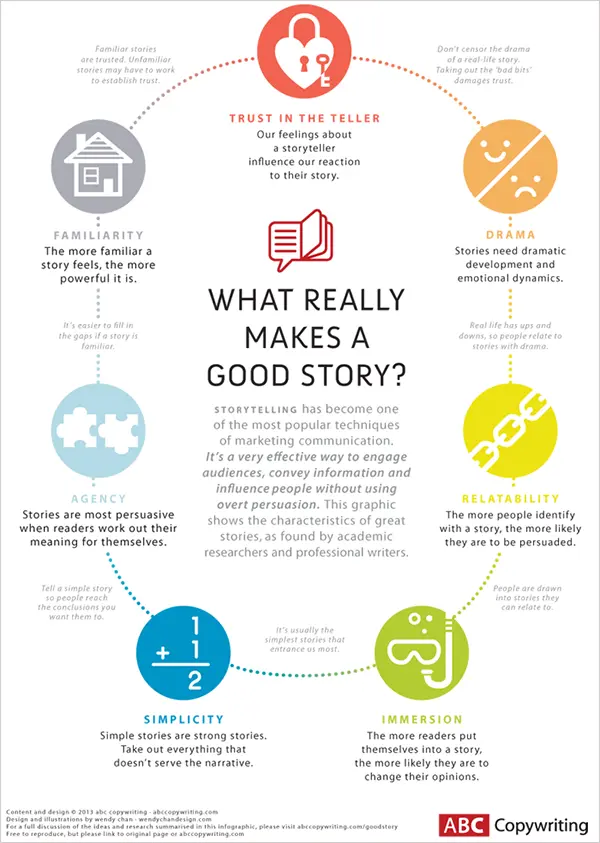
Authenticity is the name of the game. Fed up with digital fatigue, audiences connect better with genuine, human-centric narratives. Sharing real experiences, triumphs, and struggles builds immediate trust.
Point of view is also important. For a strong digital story, keep a first-person perspective. Positioning the story from the speaker’s unique worldview makes the narrative distinct and memorable.
Cretors need to target emotions like empathy, nostalgia, or shared frustration. It triggers deep psychological engagement. Stories that evoke these feelings retain audience attention longer.
The narrative should connect with the audience’s pain points, dreams, or aspirations. When the creator represents the audience, they vicariously feel like the “hero” themselves. The line between stories of your and their lives individually blurs.
Many creators now produce content across formats. Ensure the core tone and values remain aligned across your long-form blogs, podcasts, and short-form videos (like Insta Reels or TikTok).
Consistent voice and pacing eliminate confusion. The audience recognizes your personal brand immediately, regardless of wherever they’re seeing you.
The most captivating posts are not usually overly polished or rehearsed. It’s relatable, everyday content that feels like a long journey.
The audience has gotten so smart that they just know when it’s scripted or just plain AI slop, and as soon as they realize it, their interest starts to wane. It’s better to pass your script at least once through an undetectable AI humanizer.
The best strategy is to live your everyday life but with a camera, so whenever a beautiful moment strikes, it gets captured.
Honestly share your struggles and the lessons learned.
Modern storytelling uses striking visuals, engaging short videos, and compelling captions to elevate audience experience. To get decent captions faster, use AI and then pass it through humanizer.pro.
This trio of visuals, reels, and captions works across audiences on platforms like Insta, TikTok, and LinkedIn to:
There was a time when just information bombing was enough in the creator’s space.
But now, narrative and storytelling play a big part in there. Also, the “you” should be clearly visible in your content if you want the audience to connect with you, watch you.
You should represent them. Your posts should reflect their lives, along with their real problems and unreal dreams.
The 5 Cs of storytelling are: Character, Context, Conflict, Change, and Consequence.
The 7 core elements of digital storytelling: Point of view, a dramatic question, emotional content, the gift of your voice, the power of the soundtrack, economy, and pacing.
The rule states that for every 10 posts, 5 can be curated, 3 original, and 2 personal.