Have you ever been in a situation where you had a screenshot of something important from a webpage or some popular book but could not figure out what it is and what it says? This feels so frustrating. And it is one of the common situations that often come across in day-to-day life.
Those words that are important to know but are in a language that you cannot understand fully. This hindrance is a feeling of being stuck in an uncontrolled situation.
You might be thinking, how to deal with it? Keep reading this post to understand how to deal with such daily life stuff, use relevant tools at times, and move forward.
Key takeaways
- Important information is often trapped inside images such as screenshots and crucial documents.
- Image translation tools allow one to read and understand what’s written in other languages.
- These tools are very useful for shopping, traveling, routine tasks, and selling products.
Let’s be real about the kinds of images with text that cross your path:
Shopping online. You find a great product on a site from another country. You take a screenshot of the listing to think about it. But the details—the sizes, the materials, the care instructions—are all in Spanish.
Selling online. You’re trying to list items on Amazon or eBay. The product images you have from your supplier have text in Chinese or German. You need them in English for your customers.
Family stuff. Someone sends a photo of an old family document. A birth certificate. A handwritten letter. A recipe card from your grandmother. It’s in Urdu or French or Italian.
Everyday life. You’re out and about. A menu. A sign. A receipt. A handwritten note from someone. You take a photo to deal with later, but later comes and you still can’t read it.
Work stuff. A colleague sends a screenshot of a diagram with labels. A client sends a photo of a contract signature page. A trader shares a picture of an invoice.
In such situations, you have the required information. But you simply can’t understand it.
A proper image translator does something that feels a bit like magic, even though it’s just clever technology.
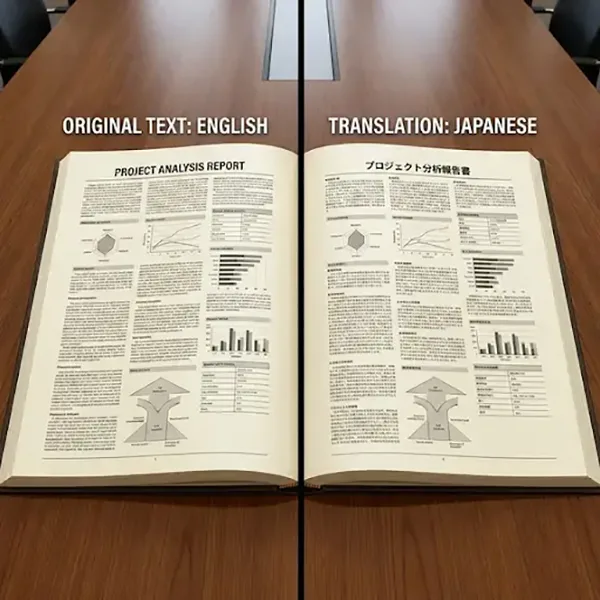
It looks at your image. It finds all the text—in labels, in handwriting, in diagrams, on product packaging. It reads it accurately. It translates it into your language. And then it puts the translated text back into the image exactly where the original was.
The product label still has its size chart; just now you can read it. The menu still has the same items listed, not a wall of garbled text. The old handwritten letter still has the same text; just now it’s in a language that you can understand.
The image still looks like itself. It just speaks your language now.
If you’re selling things online, this becomes even more useful. An amazon image translator can take product photos from overseas suppliers and localize them for your customers. That listing you found on a foreign site? You can translate the image and use it for your own customers.
The product details stay where they belong. The size chart stays readable. The branding stays intact. You just get the text in the right language.
This means you can source products from anywhere, list them anywhere, and your customers see images that make sense to them.
Here’s another thing that frequently happens: you have an image, and you just need the words out of it. You don’t need the picture; you just need the text.
Maybe it’s a screenshot of an article. It could be a photo of a document or a picture of a whiteboard from a meeting.
That’s exactly where being able to convert image to text becomes of high importance. The tool reads the image, gets out the required text, and provides it as plain text you can copy, paste, edit, and use.
That screenshot? Now it’s notes you can work with. That photo of a document? Now it’s text you can search. That whiteboard picture? Now it’s a proper meeting summary.
Think about the times in life when something like this would have helped:
You’re shopping online. You find a great deal on a product from Spain. The picture has all the details in Spanish. You need to know the size, the material, whether it will work for you. A quick upload and you have the information.
You’re selling online. Your supplier sends product images with text in Chinese. Your customers need English. You localise the images and list them.
You get a family photo. Your aunt sends a picture of an old letter from your grandfather. It’s handwritten, in another language. You want to know what it says.
You’re out and about. You take a photo of a menu, a sign, a receipt. Later, you translate it and finally understand what you ordered or where you need to go.
You’re at work. Someone sends a screenshot of a diagram with labels. You need those labels in your language to understand the diagram.
In almost every such situation, the image itself isn’t the issue. The problem is that the words in it are in another language. Simply translate, and everything else comes naturally.
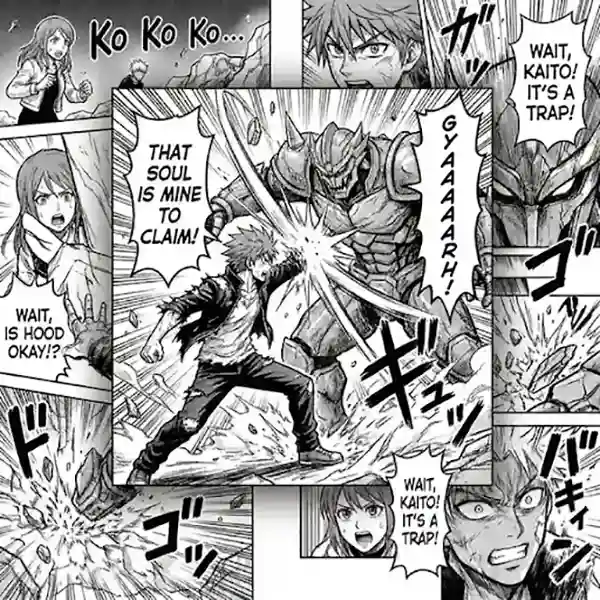
Here’s what makes a tool like this different from all the other things you’re asked to sign up for.
There’s no sign-up. No email required. No “free trial” that asks for your credit card. No spam later. No tracking. No data harvesting.
You upload an image. It translates. You download it. An hour later, your image is permanently deleted from their servers. That’s it. The complete transaction is done, and nobody has your private information or your photos or anything else.
When you’re interacting with personal stuff—family photos, product images, screenshots of things you’re considering buying—this matters.
The list of things you can translate is longer than you’d think:
Product images. From Amazon, from suppliers, from anywhere. Localise them for your customers.
Screenshots. Of articles, of listings, of anything you want to save and use later.
Handwritten notes. From family, from colleagues, from anyone.
Menus and signs. When you’re out and about or traveling.
Diagrams and charts. When the labels matter.
Old family documents. Photos of birth certificates, letters, recipes, anything.
Receipts and invoices. So you know what you paid for.
Most days, you won’t think about image translation. You’ll look at pictures, read what you need to read, move on.
But then a day comes when the thing you need most arrives as a picture. A product you really want. A family document that matters. A sign you need to understand. A screenshot of something important.
In these situations, waiting isn’t good. Trying to type out the words by hand isn’t practical. Asking someone else will just take much more time and extra steps.
What you need is a tool that analyzes the image, reads every word, and gives you back something helpful. Right now. In your language. Looking exactly the way it should.
And then you can get back to whatever you needed to do in the first place.
Because the translation was never the point. It was just the thing standing between you and what you needed.’
Dealing with the information that is both important and locked up in an image is crucial. It might be a screenshot, document or hotel menu. The issue is not that image; it’s the text that is written inside it.
With the right tools, it can be translated in a moment and can be used further. One can translate text directly from the image in seconds. Whether it is a shopping experience, selling items or exploring new places – these tools can help to make things easier to understand.
Hence, it’s all about the right access. Once the word gets clear, it can be understood quickly, and one can move on without frustration.
Image translator is simply a tool that helps to read and translate text that is in another language.
Modern translation tools are mostly precise and accurate. So there are very few chances of wrong results.
Usually it is required, but many of the translation tools allow you to use them without translation.