Complying with safety and environmental regulations is a daily concern for businesses in sectors such as construction, manufacturing, and energy.
A single error could endanger employees or result in major legal issues. Software for EHS compliance can help with that. It provides companies with a means to monitor, control, and report on environmental performance, health procedures, and workplace safety.
These tools are designed to help companies meet local, national, and international standards.
If you’re juggling spreadsheets or paper records, it’s easy for something to slip. EHS regulatory compliance software helps close those gaps and gives teams a clearer picture of what’s really happening on the ground.
In this blog post, we are going to cover everything about them and provide valuable insights to the readers.
Let’s begin!
Key Takeaways
- Understanding what an EHS compliance software does
- Looking at the common features of this tool
- Exploring their ideal user base
- Decoding its impact on compliance
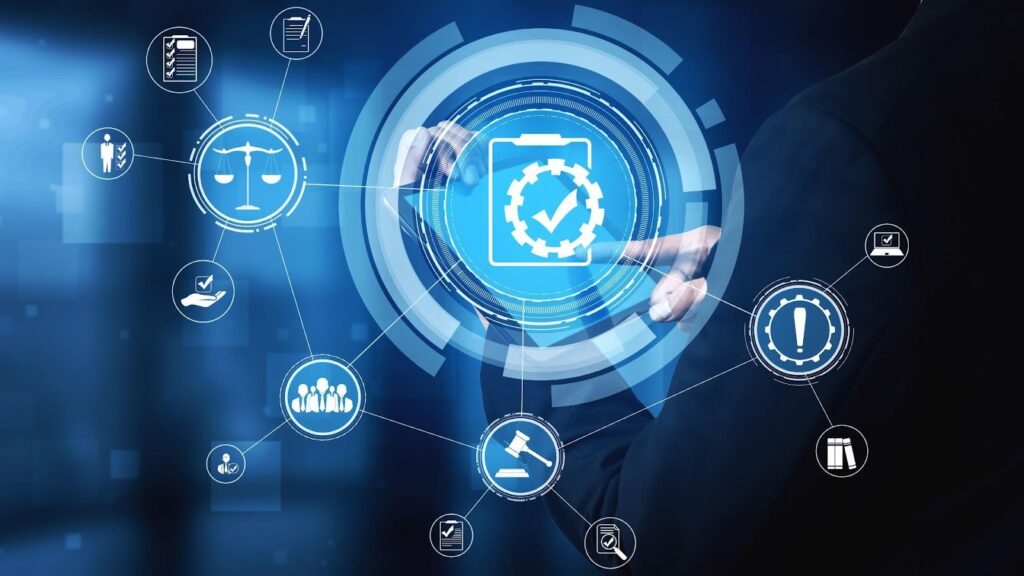
EHS software helps businesses stay compliant by organizing safety and environmental processes into a digital workflow. Instead of chasing paperwork, users can log incidents, assign tasks, monitor inspections, and complete audits inside a single platform.
A key feature is real-time visibility. Managers can check reports, see what actions are overdue, and act before small problems grow. Many platforms include dashboards that show trends over time. This helps with internal reviews and government inspections. It’s also helpful for reducing workplace injuries or cutting carbon emissions.
EHS tools also improve team communication. When a safety incident happens, everyone gets notified through the system. That speeds up the response and makes documentation easier. It also reduces the chance of repeated mistakes because the whole process from the incident to resolution is recorded and reviewed.
Let’s take a closer look at the common feature and see how they works!
Interesting Facts
EHS software is increasingly used to track environmental, social, and governance (ESG) data, such as carbon emissions (Scope 1–3), which helps meet growing sustainability reporting mandates.
The best software tools are the ones that fit your business size and risk profile. Large manufacturers may need more advanced audit management tools. A mid-sized construction firm may be focused on inspections and injury tracking. Some features to expect include incident tracking, audit and inspection management, regulatory compliance tracking, training records, and reporting tools.
Modern systems also include mobile access. Teams in the field can log information using a phone or tablet. That speeds up data collection and helps teams act faster. Other features may include automation tools that assign tasks, generate alerts, or flag overdue actions.
Many tools now offer AI-assisted insights. These features can highlight patterns in incidents or suggest areas for improvement. It’s a growing trend among larger companies to predict risks.
Any business that deals with safety hazards, hazardous materials, or strict environmental rules can benefit. This includes factories, chemical plants, oil and gas firms, food processors, hospitals, and logistics providers. Even office-based companies may need systems to track air quality or emergency plans.
The software is most useful when adopted company-wide. Safety officers may handle the day-to-day reports, but executives use the data for audits and planning. HR teams may use it to track employee training. Compliance teams use it to meet regulatory deadlines. IT helps with deployment and data security. The most successful EHS programs work across departments.
The primary reason companies choose EHS software is to remain compliant with government regulations. Agencies like OSHA, EPA, and international bodies have strict standards. Falling short can mean fines, lawsuits, or even shutdowns.
EHS software keeps everything in one place. No more missing inspection reports or overdue checklists. You can prove compliance with clear records and timestamps. Many systems also include legal databases or update logs to help you stay informed as rules change.
Digital tools also reduce human error. They standardize forms, assign due dates, and make sure nothing gets forgotten. That alone can significantly reduce compliance risk.
Before you buy, talk to your safety team, operations staff, and IT department. What systems are you using now? What’s missing? What slows you down? Choose software that solves real problems and scales with your business.
Verify the user interface. A field worker should be able to log reports with ease, and a safety director should be able to run analytics with ease. Examine the vendor’s security standards, support options, and availability of tools tailored to your industry.
Some companies offer free demos. Take advantage of that. Invite real users to try it. Make sure it fits your workflows. The goal is to meet compliance requirements and make safety easier to manage and more consistent across the board.
There isn’t a single best tool; everything depends on specific needs.
Premium and advanced system subscriptions commonly cost around $188 per month.
Regulatory, industry-specific, and internal.