“Language is the road map of a culture. It tells you where its people come from and where they are going.” – Rita Mae Brown (American writer)
Starting life in a new country means coping with heaps of documentation issues. Collecting birth certificates, educational documents, financial statements, and other types of files can be difficult in itself.
However, when those files are in a different language, you get an even greater task: making sure that the government gets your message!
No need to worry! Here you’ll find all the information necessary for getting your document translation done in the right way. You will discover some serious mistakes to avoid and secrets that will ensure the swift processing of your visa request. Let’s start!
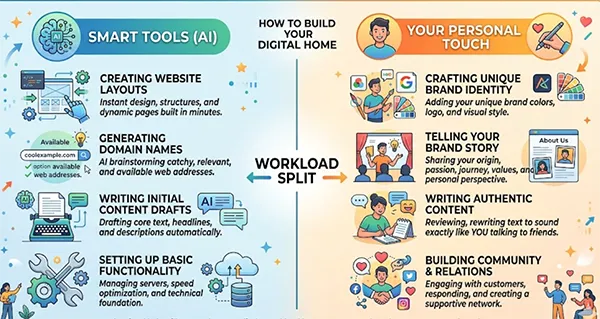
This simple diagram shows exactly how a certified translator turns your foreign paperwork into approved documents.
When you give your papers to the immigration official, everything is scrutinized through a microscope! You cannot just give them your document in another language with an unofficial translation made by someone who knows little about this kind of work. The smallest error will put you off from your goals.
But there is some good news because all your worries will be gone after you use proper Immigration translation services. You simply will transform those piles of paperwork in other languages into the ones that will be accepted by the governmental institutions immediately!
Using professional immigration translation services ensures that all stamps, names, dates, and everything will be matched with your passport, and there will be no chances for any mistakes to happen!
Want to make everything smooth and easy for you and save yourself time and nerves? Then the professionals are the real key to success and the guarantee of your application approval!
Have you ever used an online tool to translate a restaurant menu, just to get by? It’s super helpful for that. But then again, dropping your birth certificate into a free online translator and hoping for the best- that’s a huge trap.
Tech is great for casual chats, honestly, but it kind of falls apart when the paperwork gets legal. Those free tools miss the deeper context of legal words, and they often mix up official dates or even names.
A machine can’t really tell the difference between a minor regional title and a major government office, so the person reviewing your visa ends up confused, like, completely.
A typo in a text message is kind of funny. Yet a tiny error on your visa application can wreck everything and stall all your moving plans. That’s why human accuracy matters more than people think.
Did You Know? The word “translation” comes from Latin, meaning “to carry across.” It acts as a bridge for your documents.
A lot of people get kinda tangled up with these two tricky terms, and then they end up spending extra money on stuff they really do not need! So let’s untangle it a bit, so you can save your cash and also your time.
This means a p rofessional translator signs a formal statement saying they know both languages perfectly. They also confirm they translated your document word for word, with total precision and no guesswork.
This is not the same at all. A notary public just stamps the paper to show who signed it. They are mostly confirming the signer’s identity, not really checking whether the translation is accurate.
Most immigration departments care a lot about exact accuracy, so they generally prefer a certified smart translation tool rather than a notarized one.
Still, it’s a smart move to double-check the exact instructions for your specific visa route. Some older, more traditional government workflows might still ask you to obtain both stamps and seals on your paperwork or file.
Do you wonder which papers should be submitted to the professionals for translation? The answer is quite obvious: in case your document contains any texts that are not written in the official language of your new destination, translation is required!
Below, you will find a list of the papers that are usually required to be submitted to translators prior to submitting a visa application:
Fun Fact: A European surname with 35 letters caused massive headaches for translators trying to fit it onto visa forms!
Omitting any of these papers may cause delays and problems during your visa application process; therefore, it is better to check your list once again! Dealing with experienced professionals guarantees full compliance with all requirements imposed by your chosen country’s government!
Fun Fact: A European surname with 35 letters caused massive headaches for translators trying to fit it onto visa forms! Delays
Contrary to what many may believe, most applications get delayed not due to deliberate attempts to cheat but simply due to minor technical oversights. The officials need to be exceptionally thorough in their work, which means that any little mistake on your part might jeopardize your chances completely.
If you want to make your life easier and avoid unnecessary complications, pay attention to these surprisingly prevalent pitfalls:
Even if you are fluent in both English and your native language, the vast majority of immigration services will simply disregard your own translation and ask you to go through the proper channels.
If your official documents contain stamps or signatures on the back, you should remember that the text there needs to be translated as well.
Scanned copies are not always accepted if you cropped a certain image and removed its border.
By avoiding these minor mistakes, you will ensure an absolutely hassle-free process of obtaining your documents. Partnering with a qualified agency will safeguard your interests and give you a chance to experience an amazing adventure abroad without losing time!
No. Translation done by someone known to you, such as your friend, cannot be accepted at most immigration offices.
Normally, no. But make sure you verify the visa guidelines before translating anything.
My application will be put on hold pending new documentation.