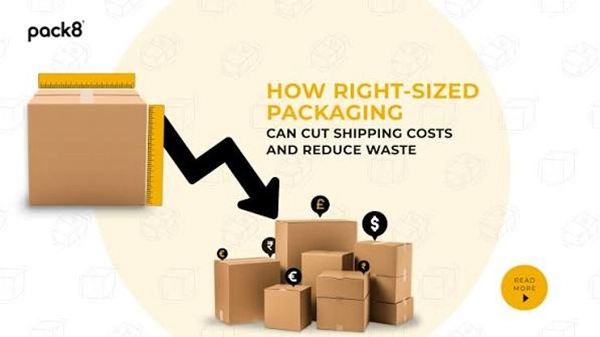
Boxes with dimensions exceeding the contents, excessive padding, and single-use polymers generate unnecessary refuse during the order fulfillment sequence. Commercial entities that distribute goods on a regular schedule are able to decrease material waste, manage expenditures, and increase logistical productivity by making informed choices regarding containers.
Selecting containers that correspond to the dimensions of each item allows commercial entities to use fewer resources while keeping goods safe during movement. Analyzing container measurements, selecting compatible materials, and refining packing methods through shipping software for small businesses allows commercial entities to lower their ecological footprint without decreasing the quality of goods or the satisfaction of those receiving them.
Commercial entities should start by investigating how they use shipping resources throughout their logistics operations. Common origins of waste include containers that are too large for the items inside, excessive void fillers, unnecessary polymer films and protective inserts that offer little utility – these resources increase raw material consumption and are able to raise delivery fees, especially when a commercial entity processes hundreds or thousands of orders monthly. Reviewing a sample of outgoing parcels helps identify recurring errors and opportunities for improvement. Businesses can also review their existing shipping services to identify opportunities to improve efficiency and reduce unnecessary packaging throughout their logistics operations.
Management is able to track the volume of materials used, container costs for each order, average parcel dimensions, and the frequency of damaged arrivals. Monitoring the quantity of discarded resources indicates where modifications produce the most significant results, while quantifying current shipping methods provides a baseline for evaluating future progress.
These statistics help managers separate containers that offer essential protection from materials that increase costs without improving the stability of the shipment. Consistent audits make it easier to find out whether the new container provides measurable benefits.
Choosing boxes with appropriate dimensions is a direct method for decreasing shipping waste. Large containers require additional cardboard and cushioning, while larger parcels often lead to higher transit fees under pricing models based on volume. Commercial entities should keep a variety of box dimensions that fit their most common goods without leaving large empty spaces. Standardizing the most frequent sizes simplifies inventory tasks, increases the speed of packing, and reduces the need for staff to create makeshift solutions with incompatible materials.
A box chosen with precision is able to hold multiple items using fewer resources than multiple individual parcels, provided the goods remain secure. Commercial entities that ship multiple items in one parcel should always evaluate how different groupings fit within the available containers.
The design of the container must account for the length, width, and height of the items. The balance of weight, and the physical compatibility between goods to stop movement during transit. Reviewing the order statistics reveals common item groupings that would benefit from specific box sizes or more efficient configurations for commercial entities with diverse inventories.
Polymer envelopes, bubble films, and air-filled cushions protect goods effectively, but their ecological effect depends on the raw materials, local processing capabilities, and disposal habits. Commercial entities are able to determine if paper-based padding, recyclable paper envelopes, or other substitutes meet their safety standards. Replacing polymer materials without a plan, however, can create new issues if the substitutes require more mass or result in higher rates of breakage. The most effective choice balances the safety of the goods, the volume of material used, the available disposal paths, and the functional requirements of the logistics operation.
Containers manufactured from processed waste reduce the demand for new raw materials, while recyclable options help keep resources in use after the initial delivery. Commercial entities should confirm the claims of suppliers regarding recycled content and recyclability rather than trusting labels only. Corrugated cardboard is an often-used choice because it provides structural strength and is compatible with many recycling programs. Containers should avoid combining various materials that are difficult to detach, like paper layers glued to polymer films.
Protective layers should correspond to the fragility, weight, and exterior of each item. Sturdy goods often require nothing more than a box of the correct size, while glass, electronics, and brittle parts require padding, dividers, or extra support. Using the same excessive packing method for every parcel wastes resources and increases the time spent on labor. Commercial entities are able to create packing rules for different categories of goods so staff members know which protective resources are essential and where they are able to safely use less.
Decreasing protective resources without verification increases the number of broken items, returns, and replacement shipments, and that creates more waste than the original methods.
Commercial entities have to test updated container designs under conditions that mimic normal transit, including shaking, pressure, and accidental falls. To identify vulnerabilities before a new design, internal tests and tracked pilot shipments are used for all operations. Review reports of damaged goods after making changes based on the delivery path, the carrier, and the type of item.
Reusable transit containers decrease the demand for disposable resources when a commercial entity operates within a compatible distribution network. Commercial entities with frequent deliveries between storage facilities, retail spots, suppliers, or professional clients are often able to collect and reuse sturdy bins, crates, or protective cases – these systems are most effective when delivery paths are consistent, and containers are easy to track, clean, and inspect. Management should evaluate the costs of collection, storage and return transit alongside the materials saved over many cycles of use.
To make it easier for those receiving the goods to reuse or discard them properly, commercial entities help to prolong the life of a container. To make it more likely that resources are reused or recycled, clear instructions for recycling, labels that are easy to peel off, and boxes that open without tearing are essential.
Companies investigate returnable container programs or provide boxes designed for storage at home for certain goods. Any program must consider the convenience of the person receiving the parcel and the resources needed to collect returned items, as a difficult process can lower participation.
Uniform packing methods help stop the unnecessary use of materials by fulfillment teams. Staff members must have access to the correct box sizes, approved protective resources, and clear instructions for handling various categories of goods. Organizing the packing area so common supplies are easy to reach reduces the urge to use a large box or excessive padding simply because the correct choice is difficult to find. Standardized workflows create more predictable resource use and make it easier for managers to spot habits that lead to avoidable waste.
Software for warehouse management and logistics helps commercial entities find ways to improve container choices. The weight of the items, the dimensions of an order, and past delivery data inform the selection of boxes and highlight parcels that often use too much space. Automated tools suggest appropriate container dimensions for orders with multiple items, but these suggestions must still account for safety requirements.
Commercial entities change container standards as their inventory, order numbers, and fulfillment needs evolve by analyzing operational data and regulatory requirements. For small operations, reviewing small business shipping options can help identify practical ways to streamline fulfillment and manage shipping costs while reducing packaging waste.
Suppliers are able to help commercial entities find materials that decrease waste while maintaining performance. Commercial entities should compare suppliers based on the quality of materials, the amount of recycled content, the range of sizes, minimum order requirements, and delivery schedules. Certain suppliers also offer audits or create custom designs for items that are difficult to ship with standard boxes. Working with suppliers to find the correct size for a container is able to decrease extra material but commercial entities should compare the total expenditure rather than choosing an option based only on the price of a single unit.
Ordering too many types of containers is able to create storage issues and build the risk of having old or unused supplies. Commercial entities should use their order history and future demand estimates to keep the correct amount of inventory for their most frequent box sizes.
Standardizing the dimensions of boxes where possible simplifies the buying process and reduces the chance of purchasing materials that do not fit the actual orders. Commercial entities can avoid unnecessary buying and disposal costs by regularly checking the inventory to identify damaged or outdated containers before they become useless.
Commercial entities are able to compare the money spent on containers and help businesses to make smarter financial decisions in the age of digital payments, the volume of material used for each shipment, the average size of parcels, and the rate of damaged goods before and after applying changes. Improvements to shipping methods should be measured using both ecological and operational data.
Measuring these factors together prevents inaccurate conclusions, like reporting lower material use while ignoring an increase in broken items. Tracking the statistics over multiple months accounts for seasonal changes and shifts in shipping volume, which gives managers a clearer understanding of whether their strategy is successful.
Businesses can reduce packaging waste by choosing appropriately sized boxes, limiting unnecessary fillers, using recyclable or lower-impact materials, and adopting reusable containers where practical.
Using boxes that match product dimensions reduces excess cardboard and cushioning, limits space, and helps lower shipping costs in some situations.
Businesses can track packaging costs per order, material usage, average parcel dimensions, and damaged goods rates.